
Have a question about your water well?
If you do not see your question answered, contact DFW Well Service directly.
Water Well FAQs
Answers to the questions homeowners, buyers, and ranchers ask most about water wells in North Texas. Search below, or browse by topic.
Search Frequently Asked Questions
71 questions on drilling, pumps, permits, water quality & more
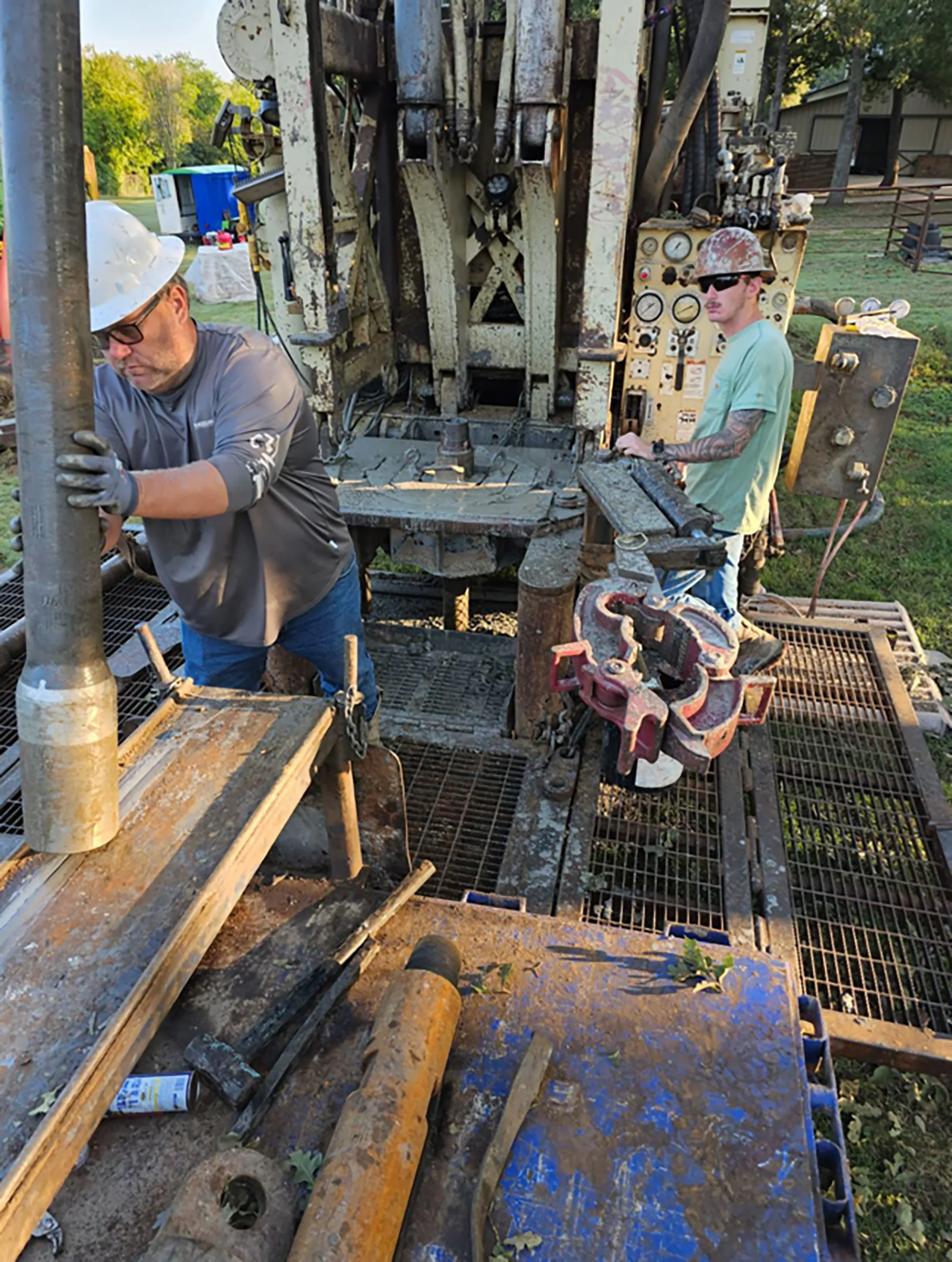
Top Ten Water Well Drilling FAQs
These are the most common questions North Texas property owners ask before drilling, buying, maintaining, or repairing a private water well. Start here for quick answers about cost, permits, well depth, inspections, ownership requirements, and long-term well performance.
- How Much Does It Cost to Drill a Water Well in North Texas?
- Do You Need a Permit to Drill a Water Well in Texas?
- What Is the Cost per Foot to Drill a Water Well in Texas?
- How Long Does It Take to Drill a Water Well?
- What Is TREC Form 61-0 and What Does It Mean for Texas Well Owners?
- Groundwater Conservation Districts in North Texas: What Property Owners Need to Know
- Exempt vs. Non-Exempt Water Wells in Texas: What's the Difference?
- Setback Requirements for Water Wells in Texas
- How Long Do Water Wells Last?
- How Often Should a Water Well Be Inspected?
Cost & Planning
Water well costs depend on depth, geology, casing, pump size, water treatment needs, permitting, and the intended use of the property. These FAQs help North Texas property owners budget for drilling, inspections, maintenance, pumps, and treatment systems before they begin a well project.
- How Much Does It Cost to Drill a Water Well in North Texas?
- What Is the Cost per Foot to Drill a Water Well in Texas?
- How Long Does It Take to Drill a Water Well?
- Is a Private Well Cheaper Than City Water in North Texas?
- What Does Annual Water Well Maintenance Cost?
- How Much Does a Water Well Inspection Cost?
- How Much Does Well Pump Replacement Cost in Texas?
- How Much Does a Water Well Treatment System Cost in Texas?
Well Types & Technology
Different types of water wells use different construction methods, depths, materials, and technologies depending on the property, aquifer, and intended use. In North Texas, the right well design depends on soil and rock conditions, groundwater availability, property use, and long-term service needs.
- What Are the Different Types of Water Wells?
- What Is the Difference Between Drilled, Driven, and Dug Wells?
- What Type of Water Well Is Best for a North Texas Property?
- How Are Residential, Agricultural, and Commercial Water Wells Different?
- How Deep Are Water Wells in North Texas?
- What Aquifers Supply Water Wells in North Texas?
- How Do Well Casing and Well Screens Work?
- What Type of Well Casing Is Best for a Private Water Well?
- What New Technologies Are Being Used in Water Well Drilling and Monitoring?
Permits & Texas Requirements
Texas water well rules can involve state licensing requirements, groundwater conservation districts, county-level requirements, registration, setbacks, and exemptions. These FAQs explain the core permitting and regulatory issues North Texas property owners should understand before drilling, modifying, or relying on a private well.
- What Is TREC Form 61-0 and What Does It Mean for Texas Well Owners?
- Do You Need a Permit to Drill a Water Well in Texas?
- Groundwater Conservation Districts in North Texas: What Property Owners Need to Know
- Exempt vs. Non-Exempt Water Wells in Texas: What's the Difference?
- How to Register a Water Well in Texas
- Setback Requirements for Water Wells in Texas
- TDLR Water Well Driller License Requirements in Texas
Buying/Selling Property with Wells
Buying or selling property with a private water well requires extra due diligence because the well can affect financing, inspections, disclosures, and long-term ownership costs. Texas buyers and sellers should understand well condition, water quality, TREC disclosure requirements, and whether unused wells must be properly plugged or decommissioned.
- What Should Buyers Know Before Purchasing Property with a Water Well?
- Should You Get a Well Inspection Before Buying a Home in Texas?
- What Is Included in a Real Estate Water Well Inspection?
- What Is TREC Form 61-0 and Why Does It Matter When Buying Property with a Well?
- What Does TREC Form 61-0 Require Sellers to Disclose About a Water Well?
- What Must Sellers Disclose About a Private Water Well in Texas?
- Can You Sell Property with an Abandoned or Unused Water Well?
- When Does a Water Well Need to Be Plugged or Decommissioned Before a Property Sale?
- Who Pays for Well Repairs or Well Decommissioning in a Real Estate Transaction?
Well Ownership & Maintenance
Private well ownership includes routine inspections, maintenance, winterization, and long-term planning to keep the system safe and reliable. These FAQs help North Texas well owners understand how long wells last, how often they should be checked, and what basic care helps prevent costly problems.
Pump, Pressure & Water Quality Problems
Pump failure, low pressure, discolored water, odors, casing issues, and bacterial contamination are common reasons property owners call a water well professional. These FAQs help diagnose symptoms, explain likely causes, and identify when a well owner should schedule service or water testing.
Drought & Water Supply
Drought can reduce well yield, affect water levels, increase pump stress, and expose weaknesses in older or shallow wells. North Texas property owners can protect their water supply through conservation, monitoring, maintenance, storage planning, and, in some cases, well deepening or system upgrades.
- How Does Drought Affect Water Wells in North Texas?
- Can a Private Water Well Run Dry During a Drought?
- What Are the Warning Signs That a Well Is Struggling During Drought?
- How Can Well Owners Conserve Water During Dry Conditions?
- How Can You Drought-Proof a Private Water Well System?
- How Do North Texas Aquifer Levels and Recharge Affect Private Wells?
- How Long Does It Take an Aquifer to Recharge After Rain?
- When Should You Consider Deepening a Water Well?
- Is It Better to Deepen an Existing Well or Drill a New One?
North Texas Permit Guides (by County)
Water well permitting and groundwater rules can vary by county, groundwater conservation district, and property location. These county-specific guides help North Texas property owners understand local requirements before drilling, registering, repairing, or evaluating a private water well.
- Collin County Water Well Regulations & Permit Requirements, TX
- Cooke County Water Well Regulations & Permit Requirements, TX
- Dallas County Water Well Regulations & Permit Requirements, TX
- Denton County Water Well Regulations & Permit Requirements, TX
- Ellis County Water Well Regulations & Permit Requirements, TX
- Erath County Water Well Regulations & Permit Requirements, TX
- Fannin County Water Well Regulations & Permit Requirements, TX
- Grayson County Water Well Regulations & Permit Requirements, TX
- Hood County Water Well Regulations & Permit Requirements, TX
- Hunt County Water Well Regulations & Permit Requirements, TX
- Johnson County Water Well Regulations & Permit Requirements, TX
- Kaufman County Water Well Regulations & Permit Requirements, TX
- Navarro County Water Well Regulations & Permit Requirements, TX
- Palo Pinto County Water Well Regulations & Permit Requirements, TX
- Parker County Water Well Regulations & Permit Requirements, TX
- Rockwall County Water Well Regulations & Permit Requirements, TX
- Somervell County Water Well Regulations & Permit Requirements, TX
- Tarrant County Water Well Regulations & Permit Requirements, TX
- Wise County Water Well Regulations & Permit Requirements, TX
Have a question that isn't covered here?
Contact DFW Well Service directly