
Need well service in Cresson?

DFW Well Service helps property owners with water well drilling, pump service, inspections, and related well issues across North Texas.

Welcome to Cresson, TX — DFW Well Service serves Cresson and Hood County

Water Well Drilling & Pump Repair in Cresson, TX | DFW Well Service

Service Area Overview

Licensed well drilling and pump service in Cresson — a tri-county area straddling Hood, Parker, and Johnson. Confirm your parcel's county before drilling.
Services We Provide in Cresson
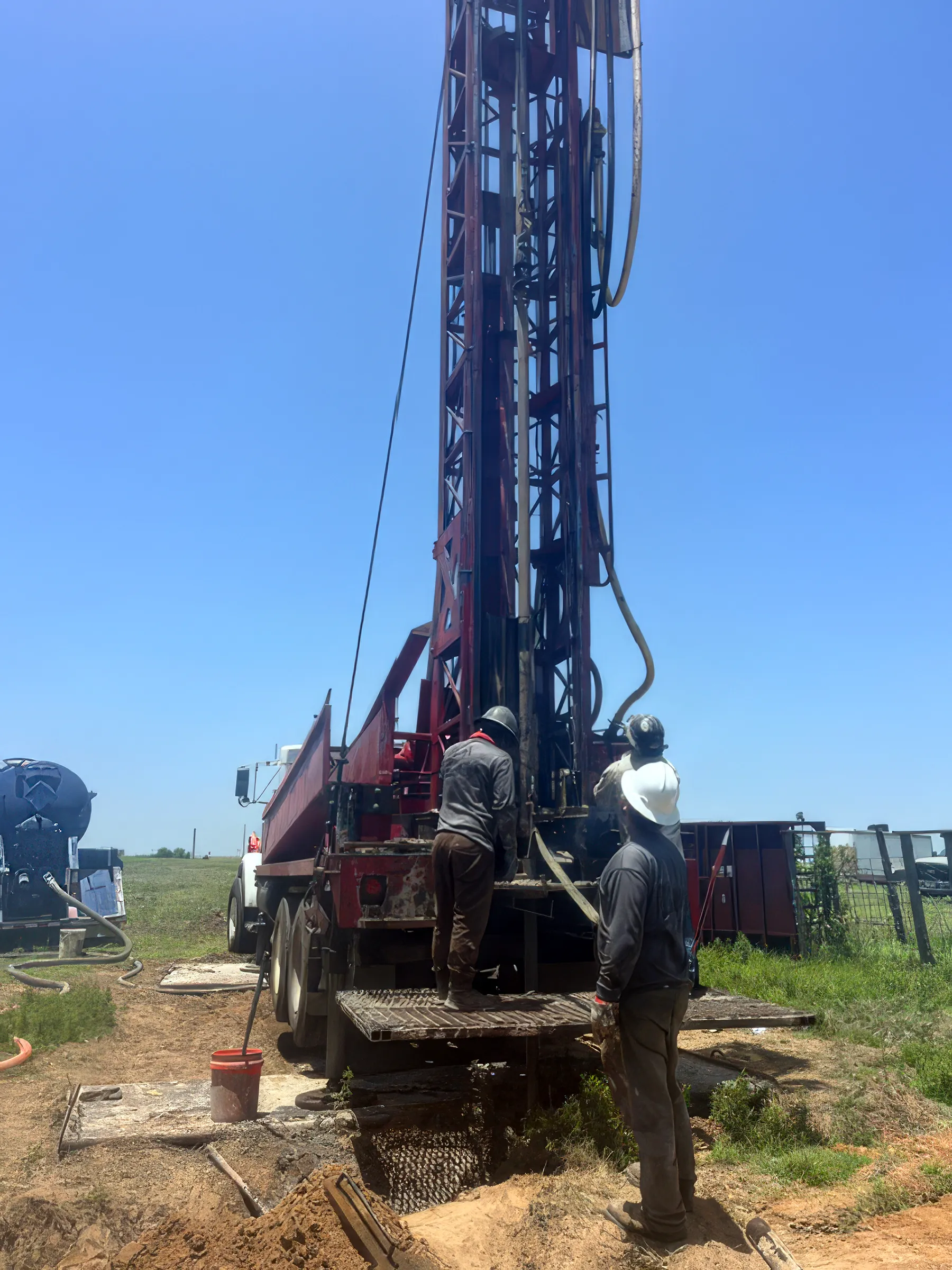
DFW Well Service has the equipment and experience to handle Hood County’s demanding limestone terrain. Cresson and the surrounding rural communities depend on deep Trinity aquifer wells, and our team is built for that work.

Well Depth & Geology in Cresson Area

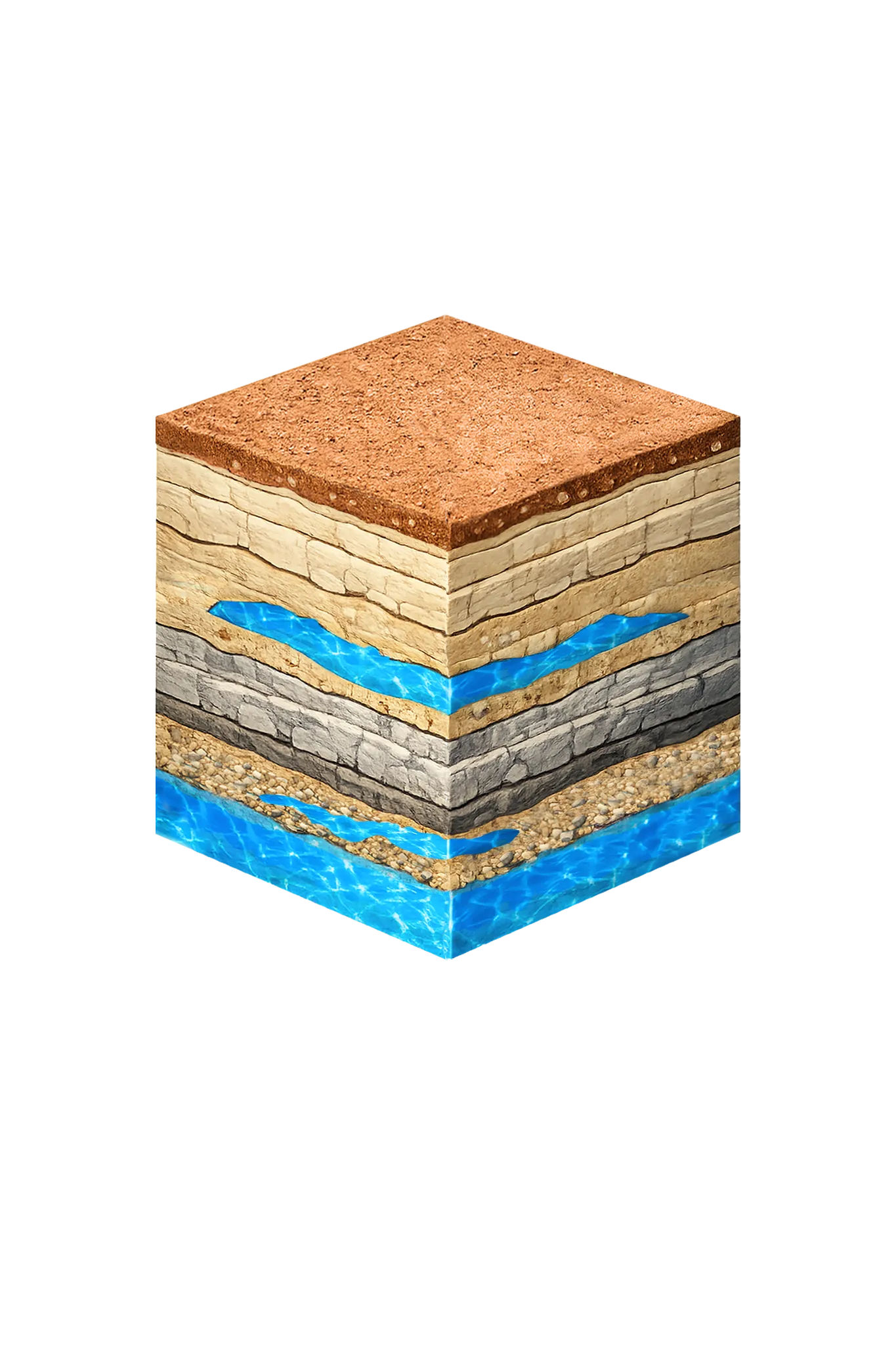
Isometric geological cross-section cube illustration showing Hood County, Texas stratigraphy — Topsoil, Paluxy Sand (upper Trinity), Glen Rose Formation, Twin Mountains Formation, Lower Trinity equivalents (Travis Peak, Hensell, Hosston, and the Trinity (Paluxy / Glen Rose / Twin Mountains) aquifer at the base.

Tap any layer in the cube — or in the list below — to see what it is and what it means for drilling a well here.

  1. Topsoil — Cross Timbers / Lampasas Cut Plain
    0–15 ft
  2. Comanche Peak / Walnut limestone
    15–80 ft
  3. Paluxy Formation
    80–250 ft
  4. Glen Rose Formation
    250–400 ft
  5. Twin Mountains Formation
    400–550 ft
Tap or hover a layer in the cube to see what's beneath the surface here.

This cross-section shows the layer stack typical of Hood County. The exact formations and depths under a specific Cresson-area property vary — see the details above.

Explore the full Hood County geology →

Primary Aquifer
Trinity (Paluxy / Glen Rose / Twin Mountains)
Typical Well Depth
Varies by location

We estimate from nearby well records

Groundwater District
Upper Trinity GCD
Confinement
outcrop / shallow confined

Hood County overview → Permit & regulations → TDLR License #61234 DKMPW Updated June 4, 2026

Wells around Cresson draw from the Trinity aquifer, which sits here as its full stack of layers. The top producing layer is the Paluxy, a fine-grained sandstone with variable yield. Beneath it, the Glen Rose Formation is mostly hard limestone that holds little water and seals the sand below, rather than producing from it. Deeper still, the Twin Mountains Formation — coarse sand and conglomerate — is the high-yield producer once a well reaches it.

Tri-County GCD Note for Cresson

Cresson straddles the Parker / Hood / Johnson tri-county boundary. Parker and Hood are both in the Upper Trinity Groundwater Conservation District (UTGCD); the Johnson side falls under Prairielands Groundwater Conservation District (PGCD). UTGCD and PGCD rules differ on spacing, fees, reporting, and exempt-well structure. Always confirm which county and which GCD a Cresson-area parcel falls within before drilling — jurisdiction follows the physical location of the well bore, not the mailing address or the city limits. We verify the parcel’s county before quoting a project. Our guides to Hood County water well regulations, Parker County water well regulations, and Johnson County water well regulations cover each district’s process.

Contact DFW Well Service at (940) 536-8560 to get a free written estimate for your Cresson-area well project. We understand Hood County limestone and we’ll give you a straight answer on what your well will cost and how long it will take.

Frequently Asked Questions

How deep do wells need to go in Cresson, TX?
There's no single typical depth for the Cresson area — it varies meaningfully by parcel, so we review the driller's logs from neighboring wells before quoting a project. Cresson has the full Trinity stack beneath it (the Paluxy, Glen Rose, and Twin Mountains layers), and because the Cresson Ridge sits higher than the surrounding land, properties up on the ridge may have to drill deeper to reach the productive Twin Mountains basal sand.
Which county and groundwater district is my Cresson property in?
Cresson straddles the Parker / Hood / Johnson tri-county boundary. Parker and Hood are both in the Upper Trinity Groundwater Conservation District (UTGCD); the Johnson side falls under Prairielands Groundwater Conservation District (PGCD). Rules, fees, spacing, and reporting differ between the two districts. Always confirm which county and which GCD a Cresson-area parcel falls within before drilling — jurisdiction follows the physical location of the well bore, not the mailing address.
Why are wells in Hood County so expensive?
The hard limestone formations beneath Hood County require diamond-tipped or tricone roller bits and slower drilling progress compared to sandstone counties. Drilling rates typically run $48–$65 per foot, and total well costs including pump and pressure system can range from $28,000 to $45,000 or more for deeper wells.
What is the Upper Trinity GCD and do I need a permit?
The Upper Trinity Groundwater Conservation District regulates all well construction in Hood County. You must obtain a well permit from the UTGCD before drilling begins. DFW Well Service files all required permit paperwork as part of your project — you don't have to navigate the process alone.
Is water quality good in Cresson-area wells?
Trinity aquifer water in Hood County is generally good quality but commonly has elevated hardness due to dissolving limestone minerals. A water softener is a common addition for Cresson-area homes. We test for hardness, pH, bacteria, nitrates, and other parameters before and after installation.
Can you repair a well pump in Cresson?
Yes. We service and replace submersible pumps, pressure tanks, and well controls throughout Hood County. If your pump has stopped, lost pressure, or is running constantly, call (940) 536-8560 — we can typically schedule a service call within 1–2 business days.
Do you drill agricultural and ranch wells near Cresson?
Absolutely. DFW Well Service is equipped to drill domestic, livestock, and irrigation wells for farms and ranches throughout Hood County. We can drill high-capacity wells and install the pumping systems needed for watering troughs, pasture irrigation, and rural homestead use.
Is the well water in Cresson salty or brackish?
Generally fresh. Cresson draws from the Trinity (Paluxy, Glen Rose, and Twin Mountains), which the local groundwater district and the Texas Water Development Board describe as fresh to slightly saline. Hardness is the usual concern; a standard water test after drilling is enough for most properties.

Request Service

Tell us about the property and what you need help with.

Fields marked * are required.