
No water, low pressure, or pump problems?
Call DFW Well Service or request service. Tell us what is happening at the property.
Pressure Tank Service
A failed pressure tank causes your pump to short-cycle — and short-cycling burns out pumps. Pressure tank replacement is one of the most cost-effective ways to protect your entire water system.
Why the Pressure Tank Matters
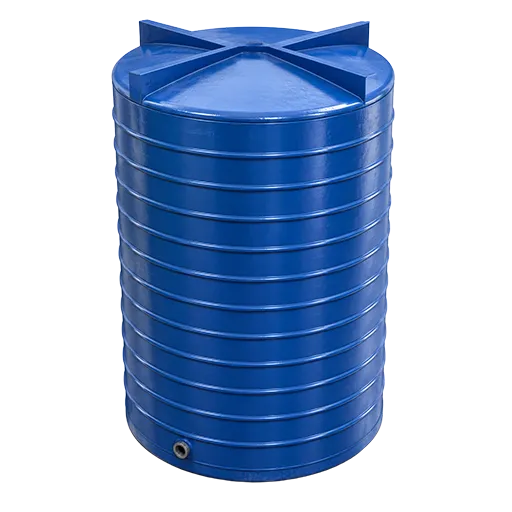
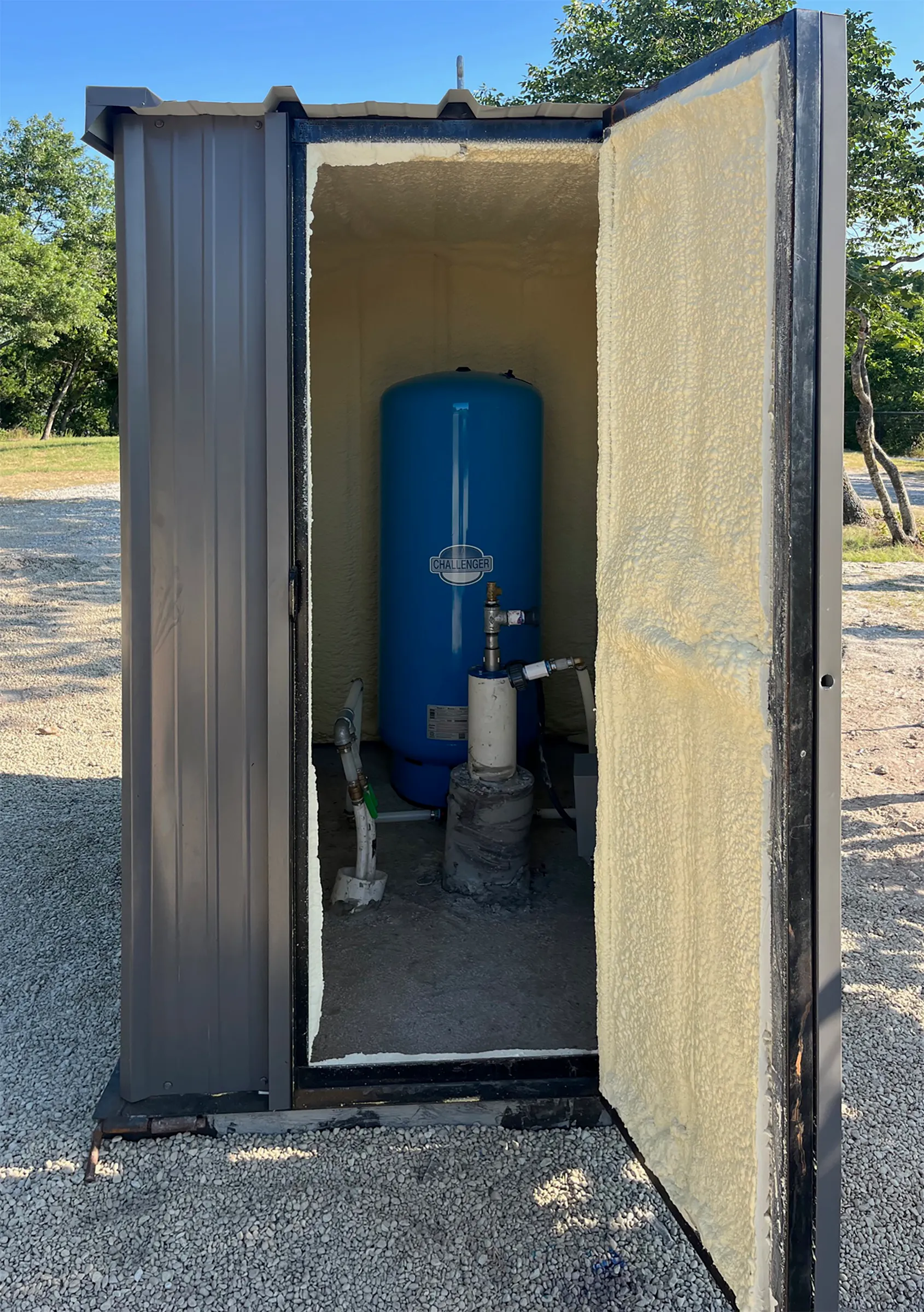
The pressure tank holds a reserve of pressurized water using an internal bladder backed by an air charge. When you open a faucet, water flows from the tank — not directly from the pump. The pump only runs when tank pressure drops to the cut-in setting (typically 40 psi), which happens every few minutes under normal household use.
When the bladder fails, the tank becomes waterlogged and loses its cushion. The pump now runs every time anyone uses any water — even a quick handwash. A pump that starts and stops hundreds of times a day instead of a handful is a pump that will fail years before it should. Replacing the pressure tank ($300–$700) is cheap insurance for a $1,200–$4,500 submersible pump.
Signs Your Pressure Tank Has Failed
Pump cycles every few seconds
The clearest indicator — the pump short-cycles because there is no air cushion to buffer between pump runs.
Tank sounds solid when tapped
Knock on the upper half of the tank. Hollow = healthy air charge. Solid all the way up = waterlogged bladder failure.
Pressure drops instantly when a faucet opens
No stored volume in the tank means the pump must respond immediately to any draw — pressure falls before the pump catches up.
Pressure gauge bouncing rapidly
Watch the gauge when a faucet is running. Rapid swings between 40 and 60 psi indicate the tank cannot hold a charge.
Tank is 12+ years old
Bladder tanks typically last 12–20 years. An older tank showing any symptoms is a replacement candidate.
High electric bill
Excessive pump starts draw more electricity. A short-cycling pump can add meaningfully to monthly power costs.
What We Service
Pressure tank replacement
All tank sizes from 20 to 120 gallons. Parts stocked in service vehicles.
Pressure switch replacement
Failed contacts, burnt switches — quick fix that often resolves no-start calls.
Pressure switch calibration
Adjust cut-in/cut-out settings for optimal pump performance and pressure consistency.
Air pre-charge check
Verify and adjust tank pre-charge pressure to match your pump's cut-in setting.
Control box service
Capacitor and relay replacement when the pump won't start or start correctly.
System pressure diagnosis
Full system evaluation when the source of low pressure or poor performance is unclear.
Frequently Asked Questions
How do I know if my pressure tank has failed?
How much does pressure tank replacement cost?
What size pressure tank do I need?
Why does a failed pressure tank burn out a pump?
What is the pressure switch and how does it relate to the tank?
Can you replace just the bladder inside the tank?
Request Service Now
No water, low pressure, or pump problems? Call us at (940) 536-8560 or send us the details.