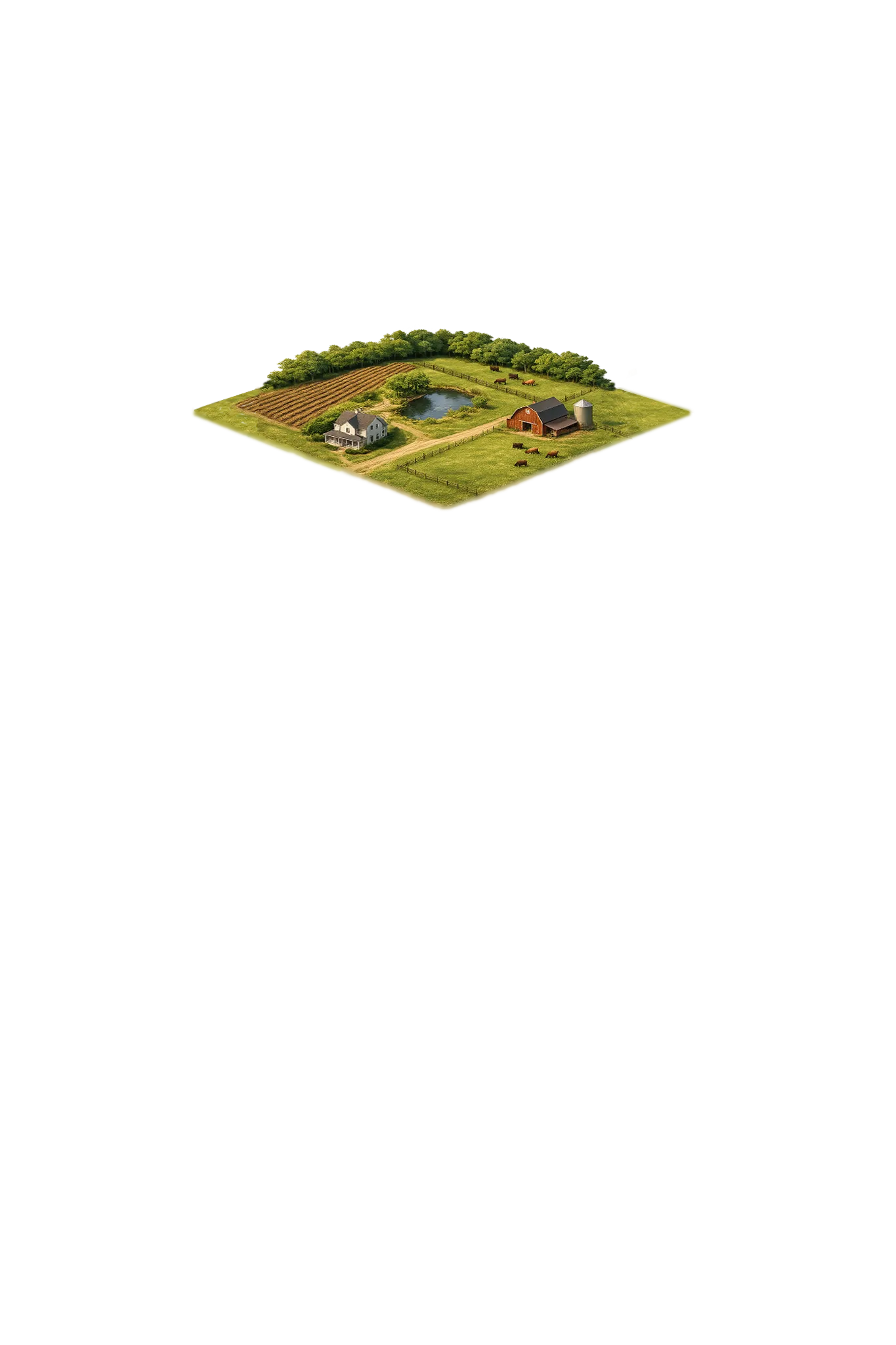

Need well service in Seagoville?

DFW Well Service helps property owners with water well drilling, pump service, inspections, and related well issues across North Texas.

Welcome to Seagoville, TX — DFW Well Service serves Seagoville and Dallas County

Water Well Drilling & Pump Repair in Seagoville, TX | DFW Well Service

Service Area Overview

Licensed well drilling and pump service near Seagoville in southeastern Dallas County, where usable water sits deep in the confined Woodbine and Trinity.

Services We Provide in Seagoville
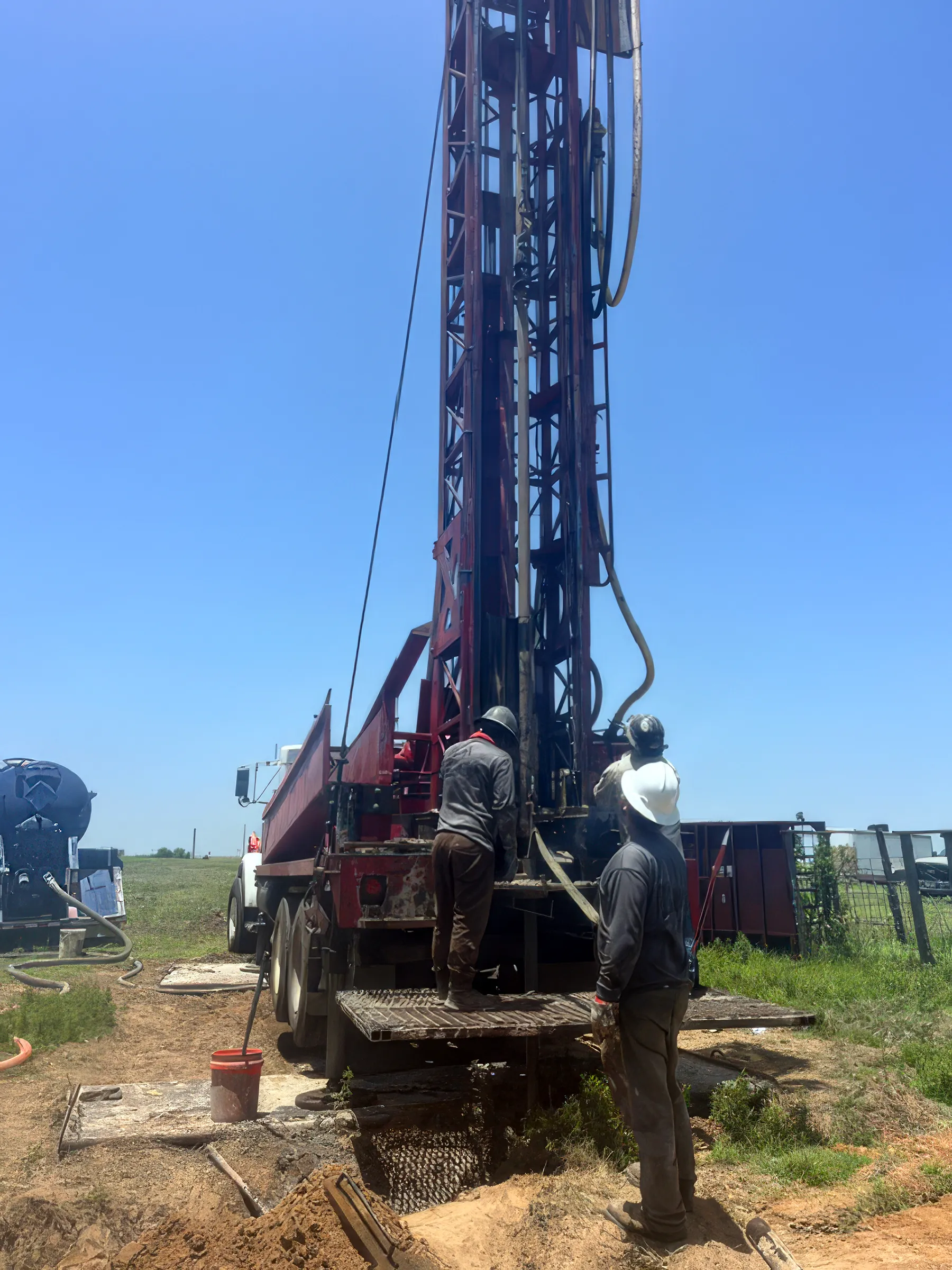
DFW Well Service (TDLR License #61234 DKMPW) provides full-service water well solutions in Seagoville and the larger-lot, semi-rural areas of southeastern Dallas County. Our licensed team handles new well drilling, pump work, and water testing — and gives you a straight answer on whether a well makes sense for your tract.

Well Depth & Geology in Seagoville Area

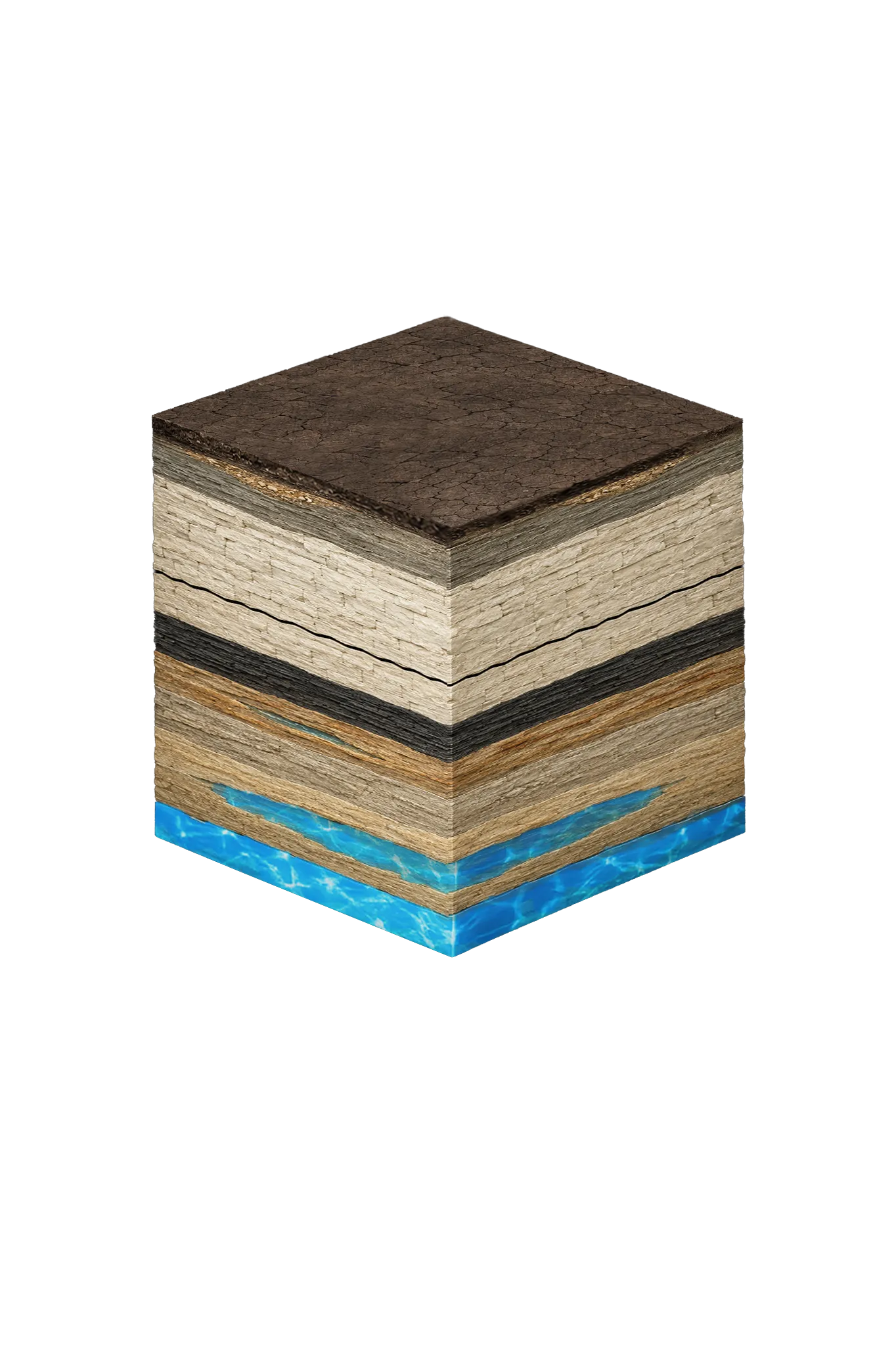
Isometric geological cross-section cube illustration showing Dallas County, Texas stratigraphy — Topsoil, Quaternary alluvium / terrace (Trinity River corridor only), Taylor Group (eastern Dallas County only), Austin Chalk, Eagle Ford Group, Washita and Fredericksburg confining units, Trinity Group (Paluxy, Glen Rose, Twin Mountains), and the Trinity (deep, confined) aquifer at the base.

Tap any layer in the cube — or in the list below — to see what it is and what it means for drilling a well here.

  1. Topsoil — Blackland Prairie vertisol
    0–12 ft
  2. Austin Chalk
    varies
  3. Eagle Ford Group
    below Austin Chalk
  4. Woodbine Group
    600–1,500 ft
Tap or hover a layer in the cube to see what's beneath the surface here.

This cross-section shows the layer stack typical of Dallas County. The exact formations and depths under a specific Seagoville-area property vary — see the details above.

Explore the full Dallas County geology →

Primary Aquifer
Trinity (deep, confined)

Secondary: Woodbine (deep, confined)

Typical Well Depth
Varies by location

We estimate from nearby well records

Groundwater District
No GCD — TDLR standards only
Confinement
deep, confined, downdip

Dallas County overview → Permit & regulations → TDLR License #61234 DKMPW Updated June 8, 2026

Seagoville sits in southeastern Dallas County, out toward the Kaufman County line and the Trinity River bottomlands. It is one of the parts of Dallas County where larger-lot and fringe properties still use private wells, but it is important to be honest about the geology: almost everyone in Dallas County is on treated surface water from the City of Dallas or NTMWD, and a private well here is the exception, not the rule.

The reason is depth. There is no shallow water-table aquifer under this area. The first usable unit, the Woodbine, sits roughly 600 to 1,500 feet down, runs high in iron and manganese, and turns brackish below about 1,500 feet. The Trinity sands that produce reliably — the Paluxy, Glen Rose, and Twin Mountains group — are deeper still, on the order of 2,000 to 3,500-plus feet, confined and far below ordinary residential drilling. TWDB monitoring wells in the Dallas County Twin Mountains are documented at 2,568 and 3,076 feet. A well here is a deep, serious project, and on many tracts municipal water is the better answer.

Dallas County Permit Requirements

Dallas County has no groundwater conservation district, so well construction follows TDLR statewide standards rather than a local district permit. No GCD permit is required, but your driller must hold a current TDLR license, the well must meet the Texas Well Construction Standards, and a completion report must be filed with TDLR after the work is done. See our guide to Dallas County water well regulations for the details.

Because productive water sits so deep here, we do not quote a flat per-foot rate without seeing the property, and we will tell you honestly if a well is not the right call. Call DFW Well Service at (940) 536-8560 for a free written estimate on any well or pump project in Seagoville or Dallas County.

Frequently Asked Questions

Are homes in Seagoville on city water or private wells?
Most are on municipal or surface water — the City of Dallas and NTMWD supply nearly everyone in Dallas County from reservoirs. Private wells are the exception here, found mainly on larger-lot and fringe tracts in southern and southeastern Dallas County. If you are on acreage outside a water line, a well is possible, but it is a deep, serious project in this part of the county.
What aquifer would a well near Seagoville tap into?
Two deep, confined options, neither of them shallow. The Woodbine sits roughly 600 to 1,500 feet down and runs high in iron and manganese, turning brackish below about 1,500 feet. The Trinity sands that produce reliably are deeper still — about 2,000 to 3,500-plus feet, confined and far below ordinary residential drilling depths.
How deep are wells in the Seagoville area?
There is no shallow water-table well here. The shallowest realistic aquifer, the Woodbine, is around 600 to 1,500 feet, and the dependable Trinity sands are 2,000 feet and deeper — TWDB Twin Mountains monitoring wells in Dallas County are documented at 2,568 and 3,076 feet. We evaluate your parcel and the nearest logs before saying what is feasible.
Is a residential well even practical near Seagoville?
Often it is not, and we will tell you honestly. The usable water sits beneath a thick confining column, so a well means significant depth and cost, and many tracts are better served by available municipal water. Where a well does make sense — typically larger acreage with no service — we lay out the depth, cost, and water-quality realities up front.
What is the water quality like if I do drill in Dallas County?
Be ready to treat it. Deep Trinity water in Dallas County tends to be hot and high in dissolved solids — a Lancaster-area Trinity sample measured 2,038 mg/L TDS — and the Woodbine's upper zone is high in iron and manganese and usually needs filtration. A full water test drives the treatment plan.
Do I need a permit to drill a well in Dallas County?
Dallas County has no groundwater conservation district, so there is no local GCD permit. Your driller must be TDLR-licensed, the well must meet the Texas Well Construction Standards, and a completion report must be filed with TDLR. We handle that reporting.
What does it cost to drill a well near Seagoville?
Because productive water is so deep, we do not quote a flat per-foot rate without seeing the property. We give a free written estimate after evaluating your site and nearby well records — and we will tell you plainly if a well is not the right call for your tract.

Request Service

Tell us about the property and what you need help with.

Fields marked * are required.