
Need well service in Sanger?

DFW Well Service helps property owners with water well drilling, pump service, inspections, and related well issues across North Texas.

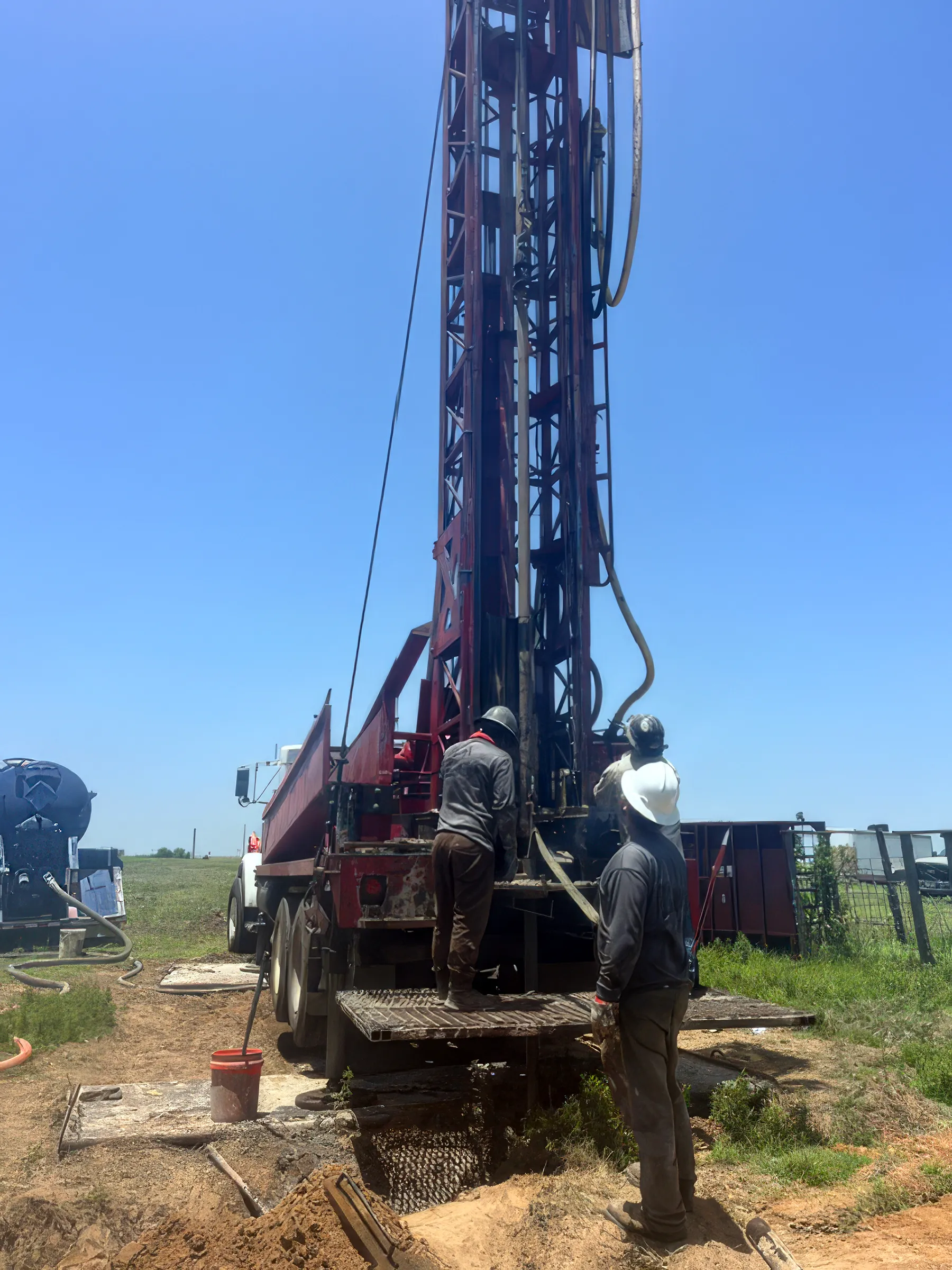
Welcome to Sanger, TX — DFW Well Service serves Sanger and Denton County

Water Well Drilling & Pump Repair in Sanger, TX | DFW Well Service

Service Area Overview

Licensed well drilling and pump service in Sanger and northern Denton County, reaching the Trinity aquifer's Antlers Formation sands.

DFW Well Service provides water well drilling, pump repair, and inspection services throughout Sanger and the northern Denton County area. Sanger straddles the rural-suburban edge — a community of about 9,000 residents where acreage tracts, small farms, and newer residential developments share the landscape. Properties outside the city’s service area depend on private wells, and maintaining those wells is a year-round need.

Services We Provide in Sanger

Well Depth & Geology in the Sanger Area
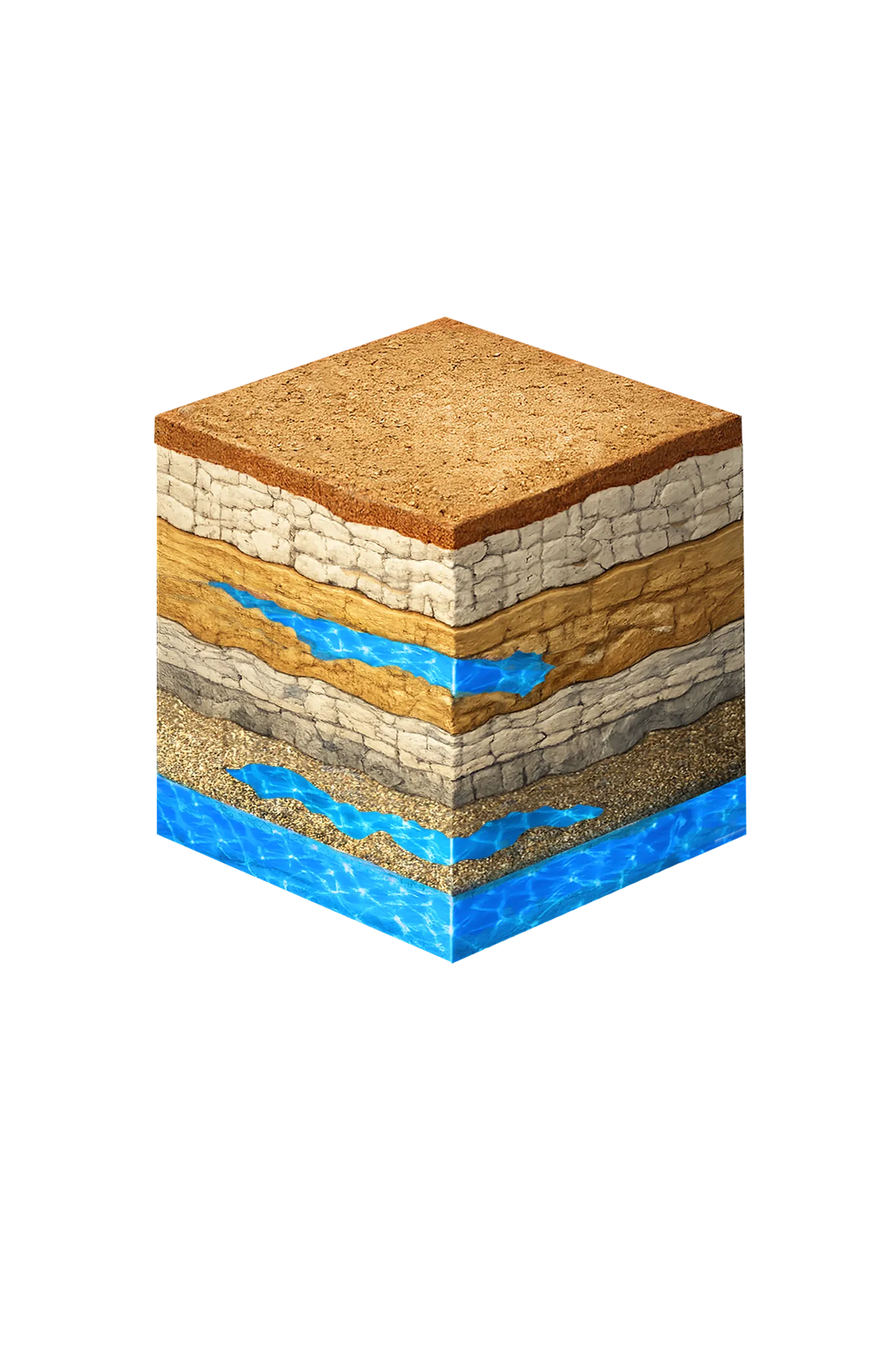
Isometric geological cross-section cube illustration showing Denton County, Texas stratigraphy — Topsoil, Local alluvium (Elm Fork of the Trinity, Ray Roberts and Lewisville lake margins), Woodbine Aquifer (eastern Denton County), Washita and Fredericksburg Groups, Paluxy Formation (Trinity upper unit), Glen Rose Formation (southern Denton County only), Twin Mountains Formation (southern Denton County) / Antlers Formation (northern Denton County), and the Trinity (Paluxy / Glen Rose / Twin Mountains; Antlers in northern Denton County) aquifer at the base.

Tap any layer in the cube — or in the list below — to see what it is and what it means for drilling a well here.

  1. Topsoil — Cross Timbers transition
    0–15 ft
  2. Comanche Peak / Walnut limestone
    15–80 ft
  3. Paluxy Formation
    80–250 ft
  4. Glen Rose Formation
    250–350 ft
  5. Twin Mountains Formation
    350–450 ft
Tap or hover a layer in the cube to see what's beneath the surface here.

This cross-section shows the layer stack typical of Denton County. The exact formations and depths under a specific Sanger-area property vary — see the details above.

Explore the full Denton County geology →

Primary Aquifer
Trinity (Paluxy / Glen Rose / Twin Mountains; Antlers in northern Denton County)

Secondary: Woodbine (eastern Denton County)

Typical Well Depth
Varies by location

We estimate from nearby well records

Groundwater District
North Texas GCD
Confinement
confined; outcrop in far western Denton County

Denton County overview → Permit & regulations → TDLR License #61234 DKMPW Updated June 4, 2026

Wells around Sanger draw from the Trinity aquifer, and how the layers stack changes what your driller targets here. In this northwestern corner of Denton County, near the Cooke County line, the Glen Rose Limestone has thinned to nothing, so the Trinity’s two sand layers — the Paluxy and the Twin Mountains — merge into a single unit geologists call the Antlers Formation. That means wells here target the Antlers directly, rather than drilling through a separate Paluxy, Glen Rose, and Twin Mountains stack the way wells do farther south in the county. The Woodbine — a shallower water-bearing layer — is present in parts of northern Denton County and can be productive at shallower depth on some parcels.

Drilling costs in Denton County typically run $38–$50 per foot, with formation hardness influencing where in that range your project falls.

Denton County Permit Requirements

All new wells in Denton County require a pre-drilling permit through the North Texas Groundwater Conservation District. This applies to exempt domestic wells as well as non-exempt production wells. For more information on the permitting process, see our guide to Denton County water well regulations.

DFW Well Service (TDLR License #61234 DKMPW) is ready to help with well drilling or pump service in the Sanger area. Call (940) 536-8560 for a free estimate.

Frequently Asked Questions

How deep are water wells near Sanger, TX?
There's no single typical depth in the Sanger area — it varies meaningfully from one parcel to the next, so we review the driller's logs from neighboring wells before quoting a number. Here's why it varies: Sanger sits in northwestern Denton County, near the Cooke County line, where the upper Trinity sand layers merge into one thick unit geologists call the Antlers Formation, and the depth to that sand changes over short distances. Longer term, the district also projects the water level in the deeper Trinity sand under Denton County to drop several hundred feet, which is worth designing the well around.
Does Sanger have a groundwater conservation district?
Yes. Sanger is in Denton County, which falls under the North Texas Groundwater Conservation District. A permit is required before drilling a new well. DFW Well Service handles the permit application as part of our standard process.
Is Sanger a good area for water wells?
Generally yes. The Sanger area sits on the northern Denton County plain with reasonable access to Trinity aquifer formations. Many rural and semi-rural properties in the area have productive domestic wells. Yields and water quality can vary by location, so a pre-drilling consultation is worthwhile.
What does well drilling cost near Sanger?
Denton County drilling rates run $38–$50 per foot. Final cost depends on completion depth, casing, pump, and pressure equipment. We provide a free itemized written estimate once we have reviewed neighboring driller's logs for your parcel.
My pump stopped working — can you come to Sanger quickly?
Yes. We serve northern Denton County including Sanger for pump repair and emergency service. Most calls can be scheduled within one to two business days. For a complete pump failure with no water in the home, we prioritize getting you a service appointment as soon as possible.
Do you test water quality for wells near Sanger?
Yes. We offer basic and comprehensive water quality testing for private wells throughout Denton County. Common tests cover coliform bacteria, nitrates, hardness, and other parameters. Testing is recommended for new wells and any time water quality changes are noticed.
Is the well water in Sanger salty or brackish?
Generally fresh. Sanger draws from the Trinity — and from the Woodbine in eastern Denton County — which the Texas Water Development Board maps as fresh in this area. The water turns slightly salty only farther downdip, meaning farther along where the layer tilts deeper. After drilling, test for total dissolved solids (a measure of how mineral-heavy the water is), sulfate, and iron.

Request Service

Tell us about the property and what you need help with.

Fields marked * are required.