
Need well service in Quinlan?

DFW Well Service helps property owners with water well drilling, pump service, inspections, and related well issues across North Texas.

Welcome to Quinlan, TX — DFW Well Service serves Quinlan and Hunt County

Water Well Drilling & Pump Repair in Quinlan, TX | DFW Well Service

Service Area Overview

Licensed well drilling and pump service around Quinlan in southeastern Hunt County, reaching the Nacatoch Sand at roughly 300 to 650 feet.

Services We Provide in Quinlan
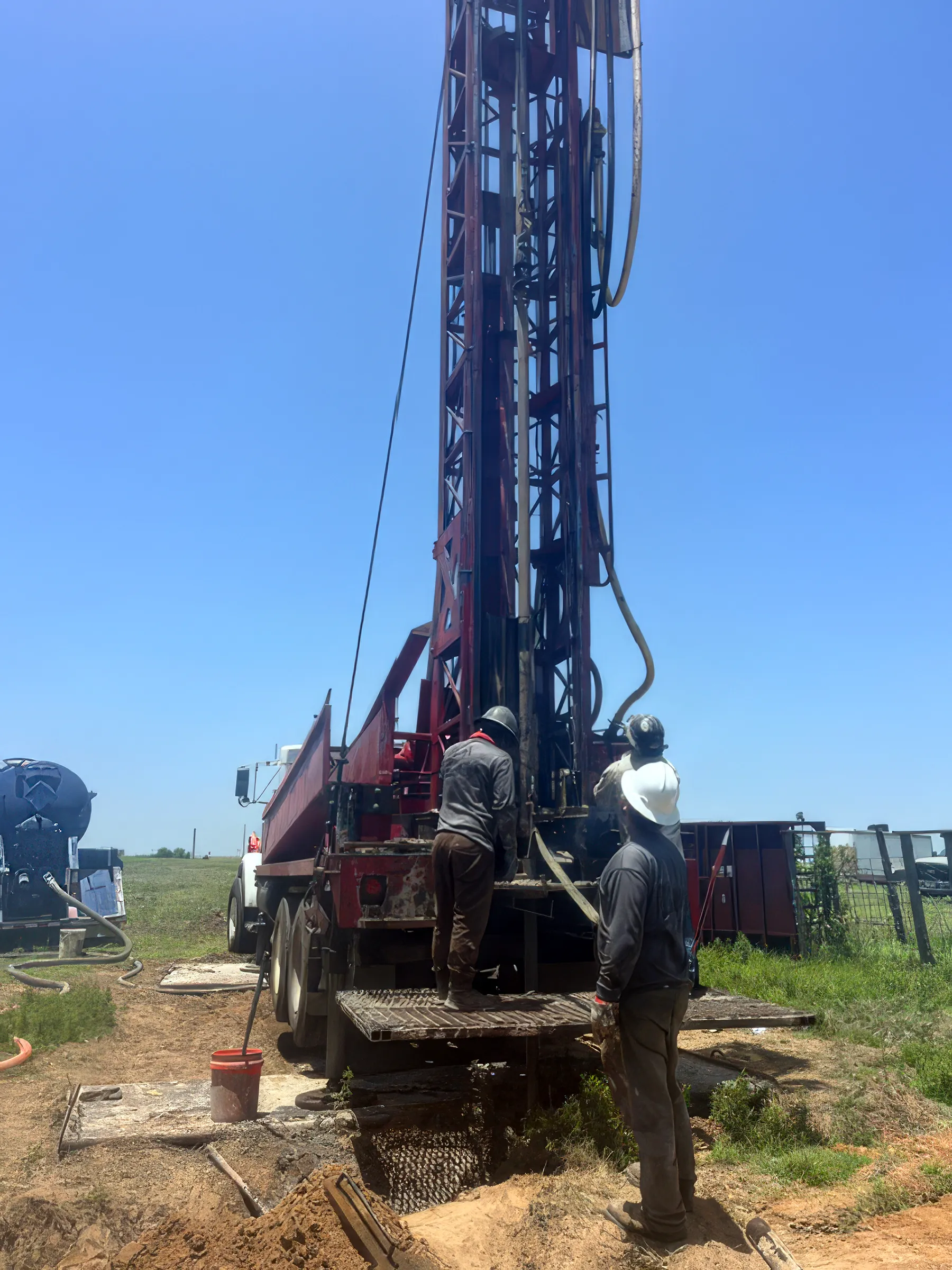
DFW Well Service (TDLR License #61234 DKMPW) provides full-service water well solutions in Quinlan and throughout southeastern Hunt County. Our licensed team handles everything from new well drilling to routine pump maintenance for rural and acreage property owners.

Well Depth & Geology in Quinlan Area

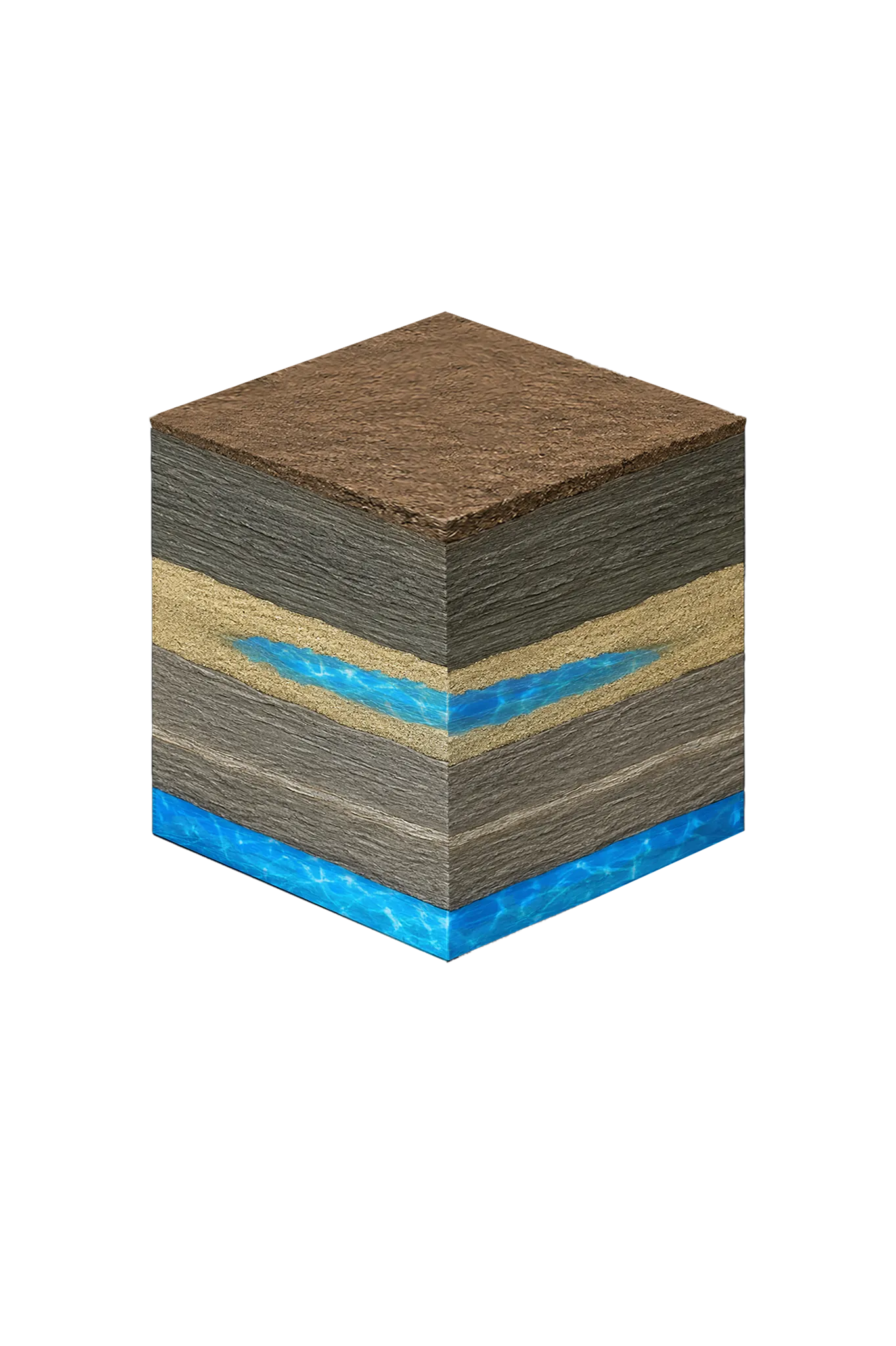
Isometric geological cross-section cube illustration showing Hunt County, Texas stratigraphy — Topsoil, Navarro Group clays and marls (Kemp Clay, Corsicana Marl), Nacatoch Sand, Taylor Group (incl. Wolfe City Sand) / Austin Group, and the Nacatoch Sand aquifer at the base.

Tap any layer in the cube — or in the list below — to see what it is and what it means for drilling a well here.

  1. Topsoil — Blackland margin / Post Oak Savanna sandy loam
    0–15 ft
  2. Navarro Group clays and marls (Kemp Clay, Corsicana Marl)
    15–300 ft
  3. Nacatoch Sand
    300–650 ft
  4. Taylor Group (incl. Wolfe City Sand) / Austin Group
    below 650 ft
Tap or hover a layer in the cube to see what's beneath the surface here.

This cross-section shows the layer stack typical of Hunt County. The exact formations and depths under a specific Quinlan-area property vary — see the details above.

Explore the full Hunt County geology →

Primary Aquifer
Nacatoch Sand

Secondary: Woodbine (good water near Celeste only; saline a short distance south)

Typical Well Depth
300–650 ft
Groundwater District
No GCD — TDLR standards only
Confinement
minor outcrop aquifer — outcrops in a belt from north of Commerce SW through Cash, dips to the SE

Hunt County overview → Permit & regulations → TDLR License #61234 DKMPW Updated June 8, 2026

Quinlan sits in southeastern Hunt County, near Lake Tawakoni, where a lot of properties are on acreage beyond municipal water lines and rely on private wells. The local aquifer here is the Nacatoch Sand — a unit of the Navarro Group — not the Trinity or the Woodbine that show up on generic North Texas well descriptions. The Trinity runs far too deep to drill for a home (regional projections exceed 3,000 feet), and the Woodbine only yields good water up around Celeste in the northwest of the county.

The Nacatoch outcrops in a belt running from north of Commerce southwest through Cash and dips toward the southeast. That means around Quinlan the sand sits toward the deeper end of its 300-to-650-foot range and is more likely to carry higher dissolved solids than the fresher updip wells. Nacatoch water is soft and sodium-rich rather than the hard, calcium-heavy water common in Trinity wells to the west.

Hunt County Permit Requirements

Hunt County has no active groundwater conservation district, so well construction follows TDLR statewide standards rather than a local district permit. You do not need a GCD permit before drilling. However, your driller must hold a current TDLR license, the well must meet the Texas Well Construction Standards, and a Well Report must be filed with TDLR after completion. For the full picture, see our guide to Hunt County water well regulations.

One honest wrinkle worth knowing: because there is no district and the Nacatoch recharges very slowly — and faulting can sharply separate one part of the aquifer from another — a neighbor’s heavy pumping can have a real and lasting effect on your well, with no local avenue to address it. We will factor that into how we site and size your well.

DFW Well Service is fully licensed and handles all required TDLR reporting on your behalf. Call (940) 536-8560 for a free estimate on any new well or service project in Quinlan or Hunt County.

Frequently Asked Questions

Are homes around Quinlan on city water or private wells?
It depends on the parcel. Inside Quinlan and along the main water lines, many homes are on a municipal or rural water-supply system. But a lot of the acreage and lake-area property in southeastern Hunt County sits beyond those lines, and those owners rely on a private well. If you are buying land outside town, confirm whether water service is available before you close.
What aquifer do wells near Quinlan tap into?
The Nacatoch Sand, a unit of the Navarro Group, is the principal local aquifer across Hunt County. The Trinity and Woodbine that show up on generic North Texas well descriptions do not apply here — the Trinity is far too deep to drill for a home (regional projections exceed 3,000 feet), and the Woodbine only yields good water up around Celeste in the northwest of the county.
How deep are water wells in the Quinlan area?
Nacatoch wells in Hunt County generally run about 300 to 650 feet. Quinlan sits on the southeastern, downdip side of the aquifer, so wells here tend toward the deeper end of that range. Exact depth depends on your parcel and is best estimated from nearby TDLR driller's logs.
What does it cost to drill a well near Quinlan?
Cost depends on completion depth, casing, and yield. Because the Nacatoch here is deeper and yields are modest, we do not quote a flat per-foot rate sight unseen. We give you a free written estimate after reviewing neighboring driller's logs for your parcel.
Is the well water around Quinlan hard or salty?
Nacatoch water is usually soft and sodium-bicarbonate in character — not the hard, calcium-heavy water common in Trinity wells west of here. The trade-offs are that total dissolved solids commonly run 500 to 1,500 mg/L downdip, with a brackish belt in parts of the county, iron is often moderate to high, and the high sodium makes it poor for landscape irrigation. A full water test before you set any treatment plan is money well spent.
Do I need a permit to drill a well in Hunt County?
Hunt County has no groundwater conservation district, so there is no local GCD permit. Your driller still must be TDLR-licensed, the well must meet state construction standards, and a completion report must be filed with TDLR after the work is done. We handle that reporting for you.
How long does a well last around Quinlan?
A properly constructed and maintained well can serve a household for decades, though the pump and pressure tank are wear items that get replaced along the way. Because the Nacatoch recharges slowly, it is worth sizing the well and pump conservatively; we can advise based on records near your property.
Can DFW Well Service test my water and service my pump in Quinlan?
Yes. Quinlan and all of Hunt County are in our service area for new wells, pump repair and replacement, water testing, and well rehabilitation. Call (940) 536-8560 and we will get a technician scheduled.

Request Service

Tell us about the property and what you need help with.

Fields marked * are required.