
Need well service in Peaster?

DFW Well Service helps property owners with water well drilling, pump service, inspections, and related well issues across North Texas.

Welcome to Peaster, TX — DFW Well Service serves Peaster and Parker County

Water Well Drilling & Pump Repair in Peaster, TX | DFW Well Service

Service Area Overview

Licensed well drilling and pump service for farms and rural homes in Peaster and Parker County's hard limestone terrain, reaching the deep Trinity aquifer.

Services We Provide in Peaster
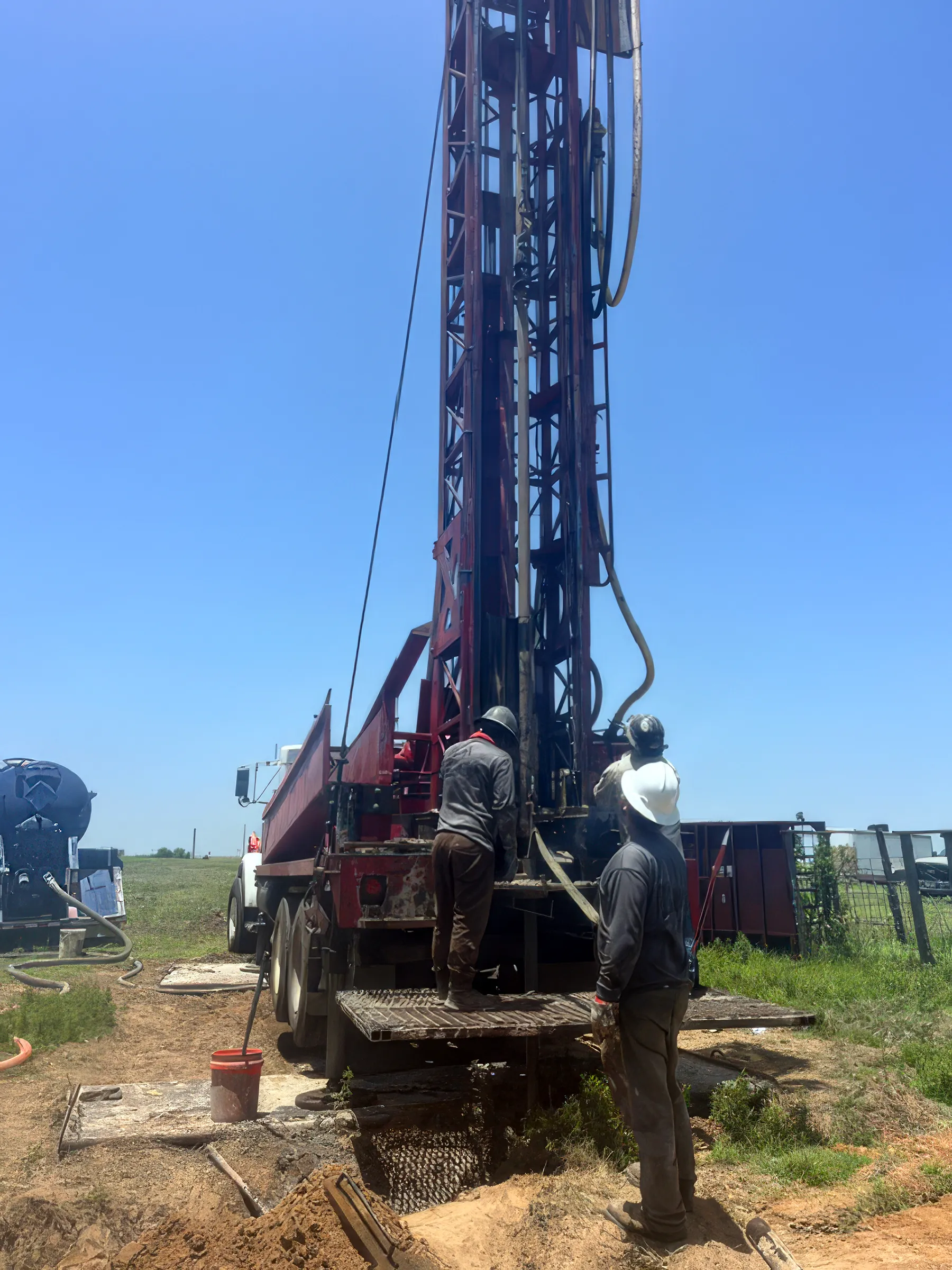
DFW Well Service is experienced in the demanding limestone drilling conditions of Parker County. Peaster and the surrounding rural communities depend on private wells, and our licensed team provides complete well and pump services from start to finish.

Well Depth & Geology in Peaster Area

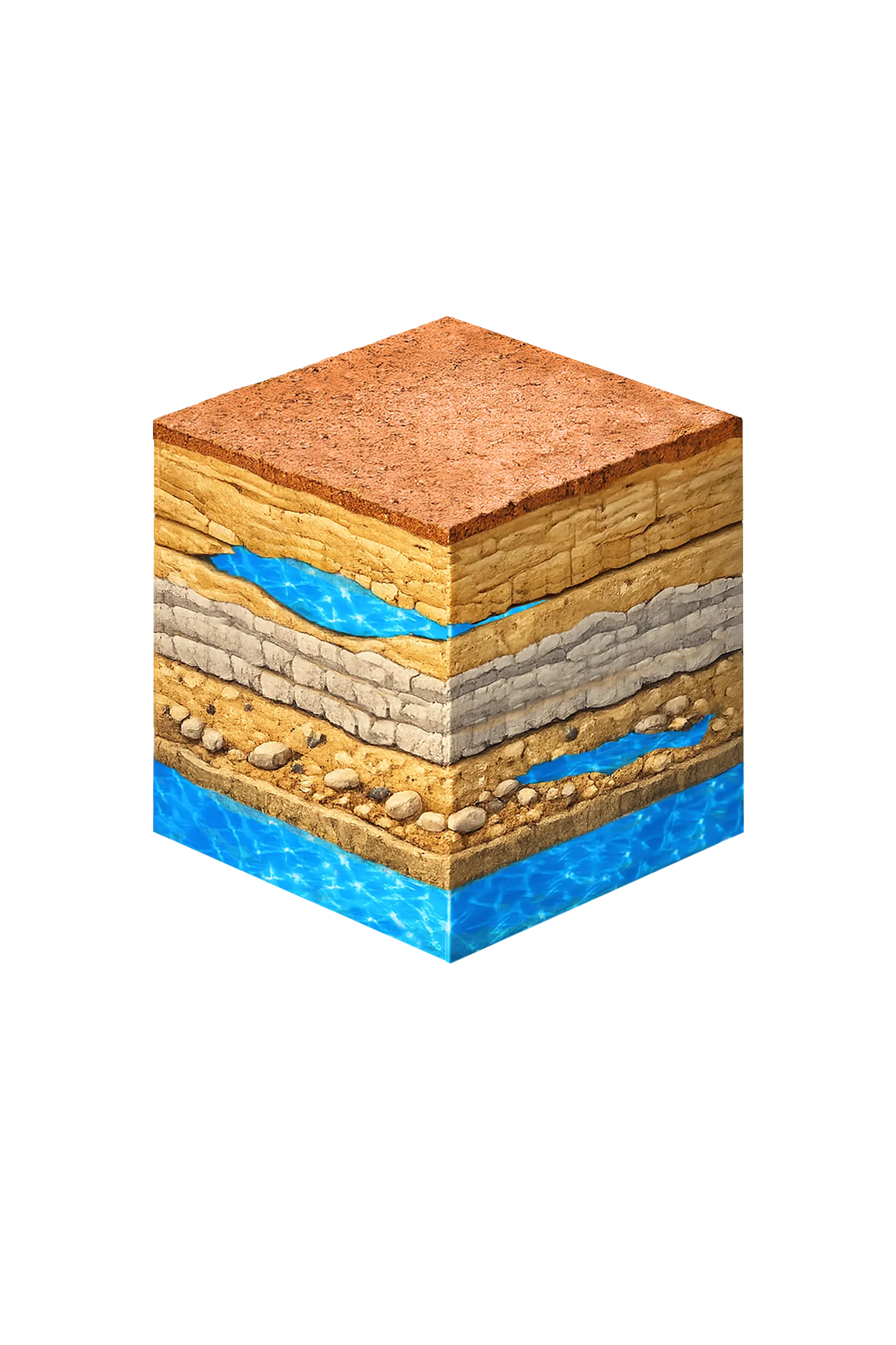
Isometric geological cross-section cube illustration showing Parker County, Texas stratigraphy — Topsoil, Paluxy Formation, Glen Rose Formation, Twin Mountains Formation, and the Trinity (Paluxy / Twin Mountains) aquifer at the base.

Tap any layer in the cube — or in the list below — to see what it is and what it means for drilling a well here.

  1. Topsoil — Cross Timbers Trinity outcrop
    0–20 ft
  2. Paluxy Formation
    20–350 ft
  3. Glen Rose Formation
    350–500 ft
  4. Twin Mountains Formation
    500–700 ft
Tap or hover a layer in the cube to see what's beneath the surface here.

This cross-section shows the layer stack typical of Parker County. The exact formations and depths under a specific Peaster-area property vary — see the details above.

Explore the full Parker County geology →

Primary Aquifer
Trinity (Paluxy / Twin Mountains)
Typical Well Depth
250–550 ft
Groundwater District
Upper Trinity GCD
Confinement
outcrop in central and western Parker County; confined beneath younger limestone in eastern Parker County

Parker County overview → Permit & regulations → TDLR License #61234 DKMPW Updated June 4, 2026

Wells around Peaster draw from the Trinity aquifer, and here in northern Parker County the main target sand reaches close to the surface. That sand is the Paluxy — fine-grained sand with silt and clay — which has historically supplied more groundwater across Parker County than any other layer. Beneath it, the Glen Rose Formation is mostly limestone that holds little water and mainly seals the sand below, though sand lenses and fractured zones can give small local supplies. Deeper still, the Twin Mountains sand — coarse sand and gravel — is the most productive Trinity layer once a well reaches it. Expect slow going through the limestone, and equipment built for it.

Parker County Permit Requirements

All well construction near Peaster is regulated by the Upper Trinity Groundwater Conservation District (UTGCD). A well permit is required before any drilling begins. The district enforces minimum setback distances from septic systems, property lines, and surface water, and requires a completion report with driller’s log after the well is finished. All construction must meet TDLR standards for casing, grouting, and well integrity. Our guide to Parker County water well regulations provides the full details.

Call DFW Well Service at (940) 536-8560 for a free written estimate on your Peaster-area well. We serve all of Parker County and know the local geology well enough to give you realistic depth and cost expectations before we ever put a drill bit in the ground.

Frequently Asked Questions

How deep do water wells go in Peaster, TX?
Depth depends on the parcel and which sand the well targets, so we review the driller's logs from neighboring wells before quoting a project. Most residential wells around Peaster complete in the Paluxy sand, with the deeper Twin Mountains sand as a more productive option when a well reaches it. Peaster sits in northern Parker County where the Paluxy sand reaches the surface (an outcrop belt), which is why this area has a high density of domestic wells.
Why are Parker County wells so expensive?
Parker County sits on some of the hardest limestone terrain in North Texas. Drilling through fractured Glen Rose and Paluxy limestone requires heavy equipment, tricone or PDC bits, and slower penetration rates. Typical costs run $48–$65 per foot, and total well costs including pump and pressure system range from $16,000 to $36,000 or more for deeper completions.
Do I need a permit to drill a well in Peaster?
Yes. Parker County is within the Upper Trinity Groundwater Conservation District. You must obtain a well permit from the UTGCD before drilling begins. DFW Well Service files all permit paperwork as part of your project — we handle it so you don't have to.
Is the water quality good from Parker County wells?
Trinity aquifer water in Parker County is typically clean but hard, with elevated calcium and magnesium from dissolving limestone. Most homeowners install a water softener. Iron and occasionally elevated Total Dissolved Solids (TDS) are also present in some zones. We test your water before and after well completion.
Do you drill farm and ranch wells near Peaster?
Yes. Peaster and the surrounding Parker County area are classic farm and ranch country, and we're equipped to drill livestock and irrigation wells in addition to domestic water wells. We can also install higher-capacity pumps and storage tanks for agricultural water needs.
My well pump stopped working — how fast can you get to Peaster?
Peaster is well within our service area west of Fort Worth. We can typically schedule a same-day or next-day service call for pump failures. Call (940) 536-8560 as soon as possible and we'll prioritize getting your water restored.
Is the well water in Peaster salty or brackish?
Mostly fresh. The Trinity water that supplies Peaster-area wells is generally fresh, but the Texas Water Development Board's brackish-water mapping found scattered pockets of slightly salty water in the deep Twin Mountains sand — even in shallower western Parker County — so a total-dissolved-solids test (a measure of how mineral-heavy the water is) is worth budgeting on any deeper well.

Request Service

Tell us about the property and what you need help with.

Fields marked * are required.