

Water Well Drilling & Pump Repair in Aledo, TX | DFW Well Service
Service Area Overview
Licensed well drilling, pump repair, and water testing in Aledo, TX, reaching the Trinity aquifer through Parker County's hard limestone.

Services We Provide in Aledo
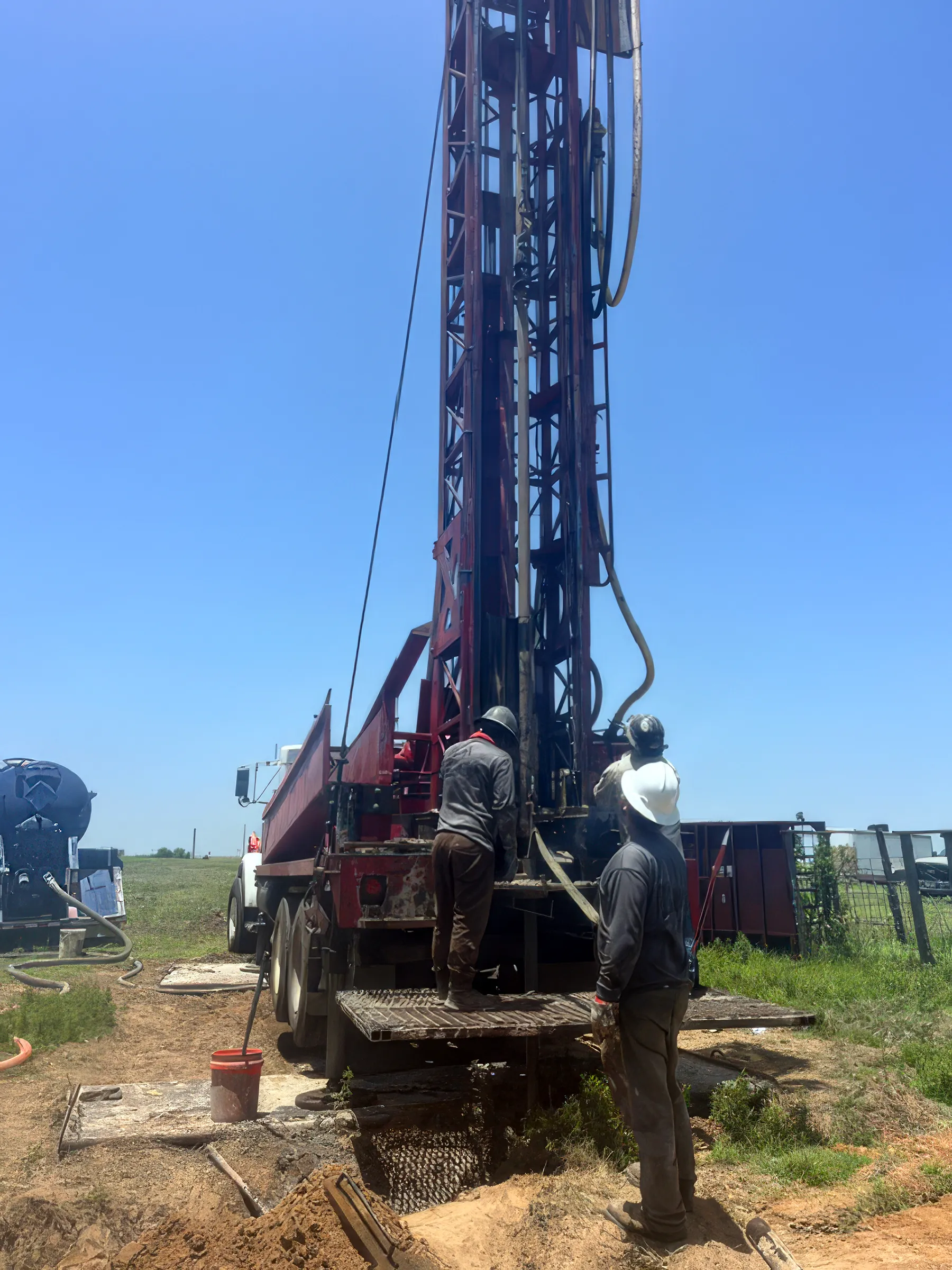
DFW Well Service (TDLR License #61234 DKMPW) serves residential and rural customers in Aledo and throughout Parker County with the full range of water well services.
Local wells reach the Trinity aquifer, but in this eastern corner of Parker County the productive Paluxy sand is buried beneath younger limestone and dips deeper than it does around Weatherford — so Aledo-area wells typically drill deeper and through harder rock. We handle the required Upper Trinity Groundwater Conservation District permitting as part of every new well.
Well Depth & Geology in the Aledo Area
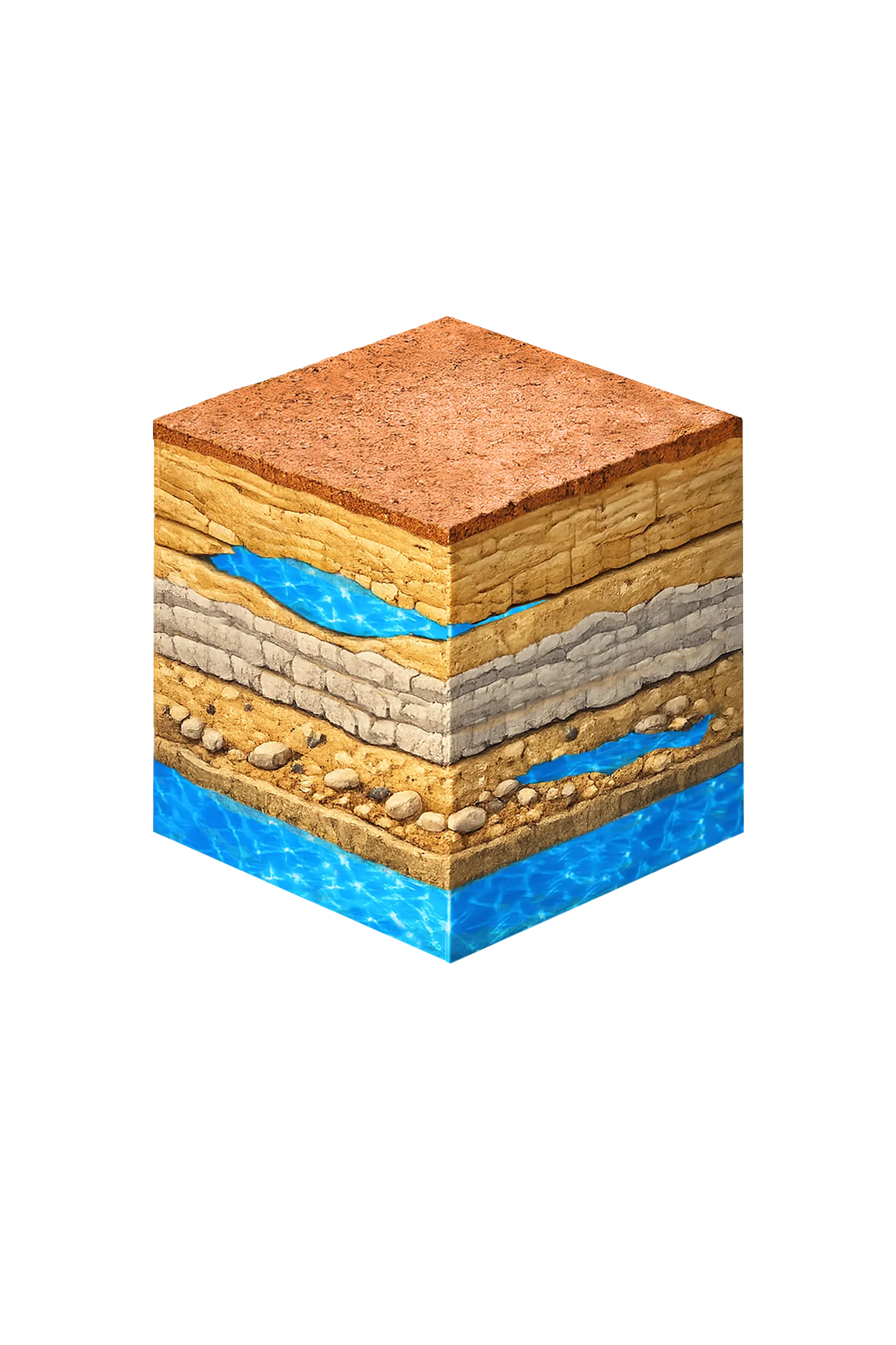

About this diagram
This cross-section shows the rock layers beneath Aledo from topsoil down to the Trinity aquifer system.
Tap any layer in the cube — or in the list below — to see what it is and what it means for drilling a well here.
- Topsoil — Cross Timbers Trinity outcrop0–20 ft
- Paluxy Formation20–350 ft
- Glen Rose Formation350–500 ft
- Twin Mountains Formation500–700 ft
This shows the layer stack typical of the Aledo area. The exact formations and depths under a specific property vary — see the details above.
- Primary Aquifer
- Trinity (Paluxy / Twin Mountains)
- Typical Well Depth
- 250–550 ft
- Groundwater District
- Upper Trinity GCD
- Confinement
- outcrop in central and western Parker County; confined beneath younger limestone in eastern Parker County
Parker County overview → Permit & regulations → TDLR License #61234 DKMPW Updated June 4, 2026
Aledo sees some of the more demanding drilling in the DFW region, because the productive Trinity sand sits deep here. In this eastern corner of Parker County the main sand layer — the Paluxy — is buried beneath younger limestone that seals it from above (the Washita and Fredericksburg units), and the Paluxy keeps dipping eastward at roughly 15–20 feet per mile across the county. That means wells here generally drill deeper than in the central outcrop belt, where the sand reaches the surface. Once a well reaches those productive Trinity sands, the aquifer delivers reliable long-term yields.
Aledo’s rapid residential growth has brought many acreage lots onto the market, a number of which are beyond the reach of municipal water lines. These rural homesites frequently require private wells, and buyers in the area should confirm water source status before closing on any property.
Parker County Permit Requirements
Drilling a water well in Aledo requires permits from both the Upper Trinity Groundwater Conservation District and TDLR. The Upper Trinity GCD oversees well spacing, property-line setbacks, and well completion reporting across Parker County, while TDLR construction standards govern casing, grouting, and separation distances from septic systems.
For detailed information on local permitting, see our guide to Parker County water well regulations.
Call DFW Well Service at (940) 536-8560 for a free estimate on any well project in the Aledo area. Whether you’re drilling a new well for a new-build home, replacing a failing pump, or buying a property and need a well inspection, we’ll give you clear information and honest pricing.