

Water Well Drilling & Pump Repair in Princeton, TX | DFW Well Service
Service Area Overview
Licensed well drilling and pump service in Princeton, TX, targeting Collin County's Woodbine and Trinity aquifers; depth varies by parcel.

Services We Provide in Princeton
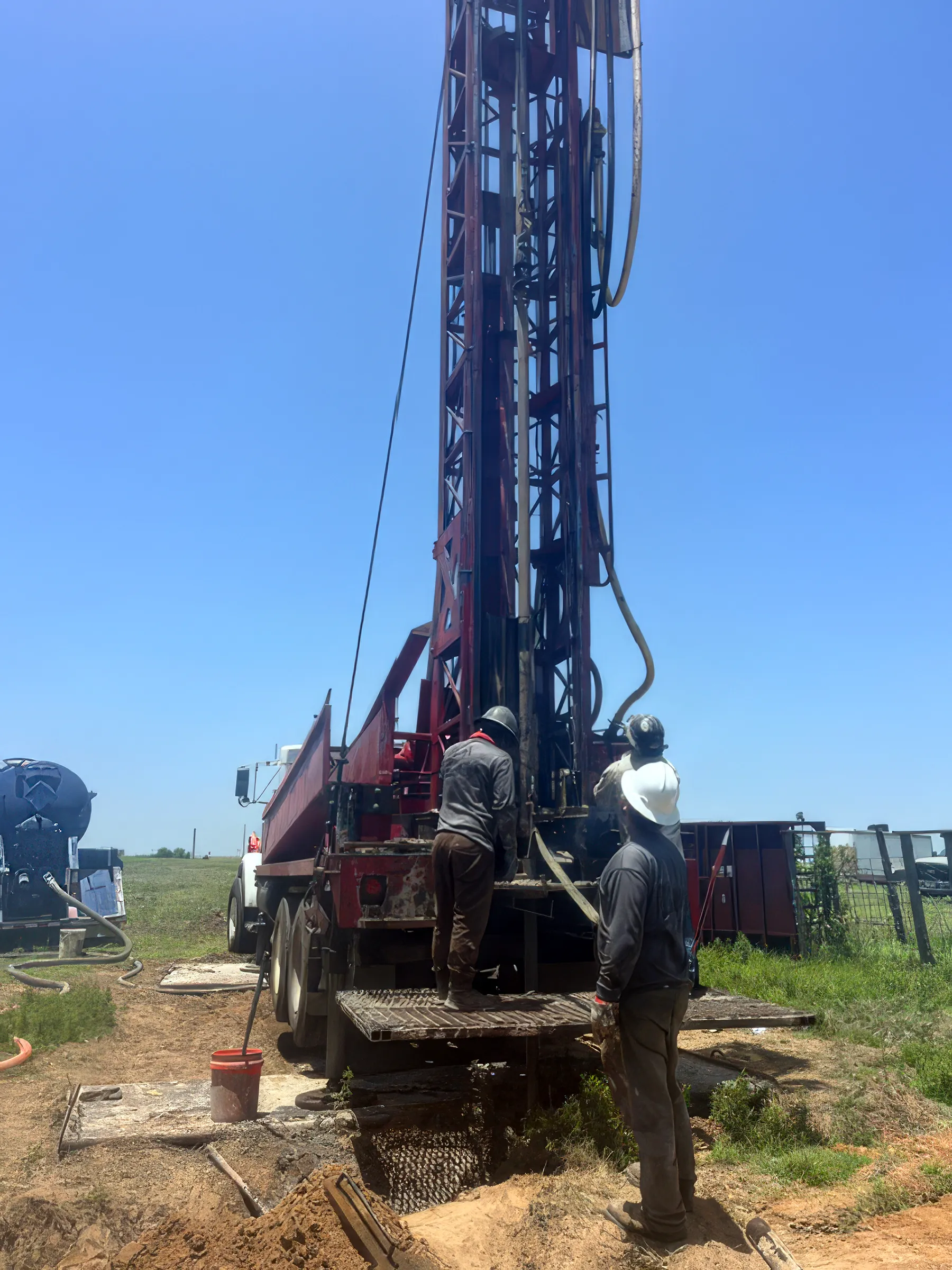
DFW Well Service (TDLR License #61234 DKMPW) serves Princeton and Collin County with complete water well services for residential and light agricultural customers.
Wells here draw mainly from the Woodbine — the primary residential aquifer across central and eastern Collin County — with the deeper Trinity Group available beneath it where a well needs to go further. East-central Collin County is sandier ground than the hard-limestone counties to the west, which generally makes for more efficient drilling, and new wells are permitted through the North Texas GCD.
Well Depth & Geology in the Princeton Area
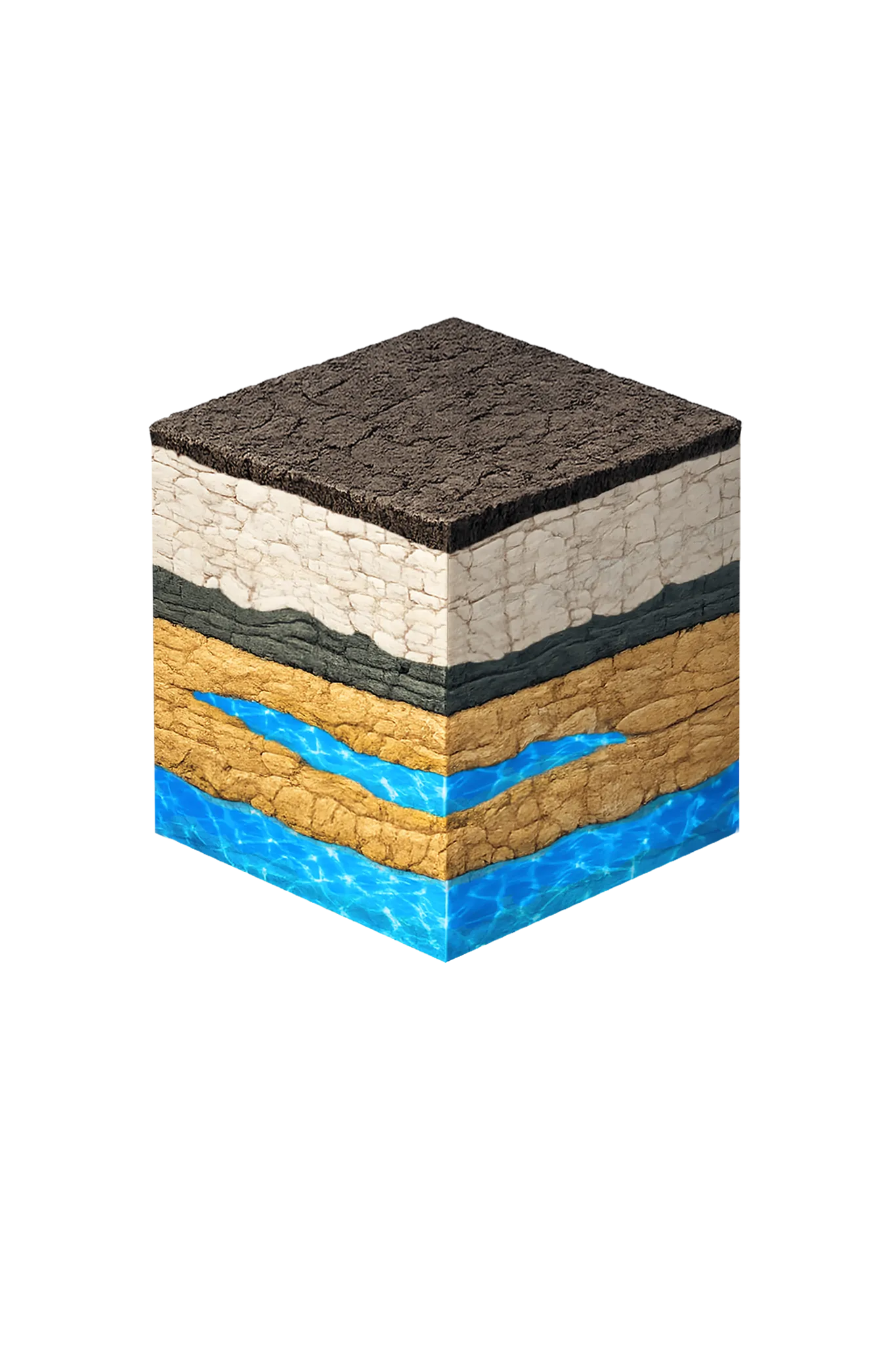

About this diagram
This cross-section shows the rock layers beneath Princeton from topsoil down to the Woodbine aquifer system.
Tap any layer in the cube — or in the list below — to see what it is and what it means for drilling a well here.
- Topsoil — Blackland Prairie vertisol0–10 ft
- Austin Chalk10–150 ft
- Eagle Ford transition150–200 ft
- Woodbine Formation200–400 ft
This shows the layer stack typical of the Princeton area. The exact formations and depths under a specific property vary — see the details above.
- Primary Aquifer
- Woodbine
- Typical Well Depth
- Varies by location
- Groundwater District
- North Texas GCD
- Confinement
- confined
Secondary: Trinity
We estimate from nearby well records
Collin County overview → Permit & regulations → TDLR License #61234 DKMPW Updated June 4, 2026
Wells around Princeton draw mainly from the Woodbine aquifer — the primary residential water source across central and eastern Collin County — with the deeper Trinity Group available beneath it. There’s no single typical depth here: it depends on your parcel, which layer the well targets, and where the Woodbine gives way to the Trinity. East-central Collin County is sandier ground than the hard-limestone counties to the west, which generally makes for more efficient drilling.
Princeton’s location in one of Texas’s fastest-growing corridors means well demand here spans everything from older rural homesteads to buyers purchasing new acreage lots before city water extensions catch up to their neighborhood.
Collin County Permit Requirements
Water wells in Princeton and Collin County require permits through both TDLR and the North Texas Groundwater Conservation District. The North Texas GCD covers Collin County and has specific rules on permit applications, setback distances, and well completion reporting.
For more information on local regulations, see our guide to Collin County water well regulations.
Call DFW Well Service at (940) 536-8560 for a free estimate on any well project in the Princeton area. We provide upfront pricing and clear timelines — no surprises after work begins.