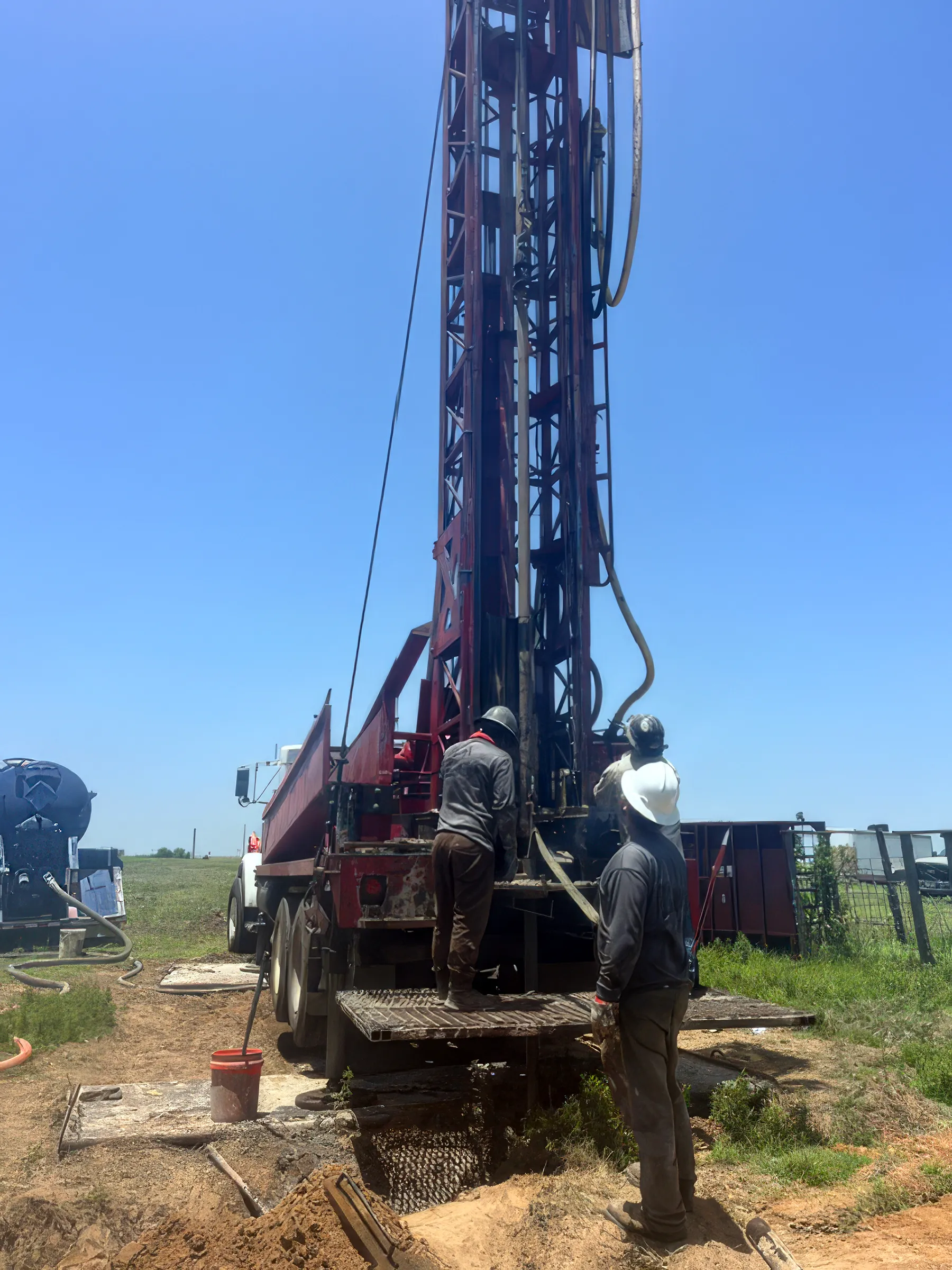

Need well service in Granbury?

DFW Well Service helps property owners with water well drilling, pump service, inspections, and related well issues across North Texas.

Welcome to Granbury, TX — DFW Well Service serves Granbury and Hood County

Water Well Drilling & Pump Repair in Granbury, TX | DFW Well Service

Service Area Overview

Licensed well drilling and pump service in Granbury and Hood County. Hard limestone Trinity geology — specialized equipment required.

DFW Well Service provides water well drilling, pump repair, and inspection services in Granbury and throughout Hood County. As the county seat and a popular lake tourism destination about 35 miles southwest of Fort Worth, Granbury sits on classic Texas Hill Country limestone terrain. That geology produces exceptional, durable wells — but drilling through hard limestone demands the right equipment and experience. We have both.

Services We Provide in Granbury

Well Depth & Geology in the Granbury Area
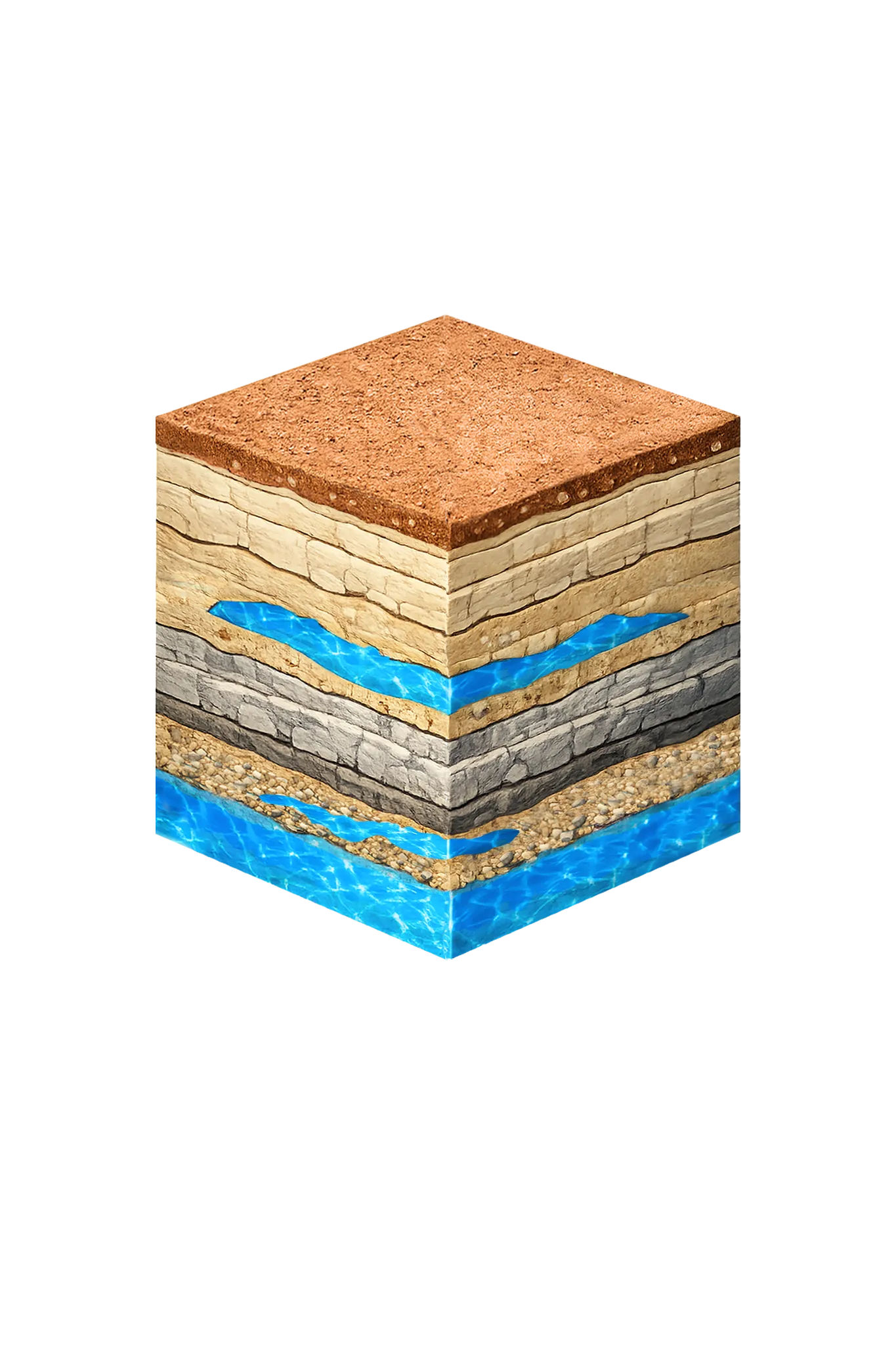
Isometric geological cross-section cube illustration showing Hood County, Texas stratigraphy — Topsoil, Paluxy Sand (upper Trinity), Glen Rose Formation, Twin Mountains Formation, Lower Trinity equivalents (Travis Peak, Hensell, Hosston, and the Trinity (Paluxy / Glen Rose / Twin Mountains) aquifer at the base.

Tap any layer in the cube — or in the list below — to see what it is and what it means for drilling a well here.

  1. Topsoil — Cross Timbers / Lampasas Cut Plain
    0–15 ft
  2. Comanche Peak / Walnut limestone
    15–80 ft
  3. Paluxy Formation
    80–250 ft
  4. Glen Rose Formation
    250–400 ft
  5. Twin Mountains Formation
    400–550 ft
Tap or hover a layer in the cube to see what's beneath the surface here.

This cross-section shows the layer stack typical of Hood County. The exact formations and depths under a specific Granbury-area property vary — see the details above.

Explore the full Hood County geology →

Primary Aquifer
Trinity (Paluxy / Glen Rose / Twin Mountains)
Typical Well Depth
Varies by location

We estimate from nearby well records

Groundwater District
Upper Trinity GCD
Confinement
outcrop / shallow confined

Hood County overview → Permit & regulations → TDLR License #61234 DKMPW Updated June 4, 2026

Wells around Granbury draw from the Trinity aquifer, completing in the upper Paluxy sand or the deeper Twin Mountains basal sand. Between the two sits the Glen Rose Formation — mostly hard limestone that holds little water and seals the sand below, rather than producing from it. Drilling through this limestone is slower and more demanding than sandy geology, which is why Hood County wells cost more — but the wells it produces are among the most durable and long-lived in North Texas.

Drilling costs in Hood County run $48–$65 per foot — reflecting the hard limestone formations. We provide a free itemized written estimate once we have reviewed neighboring driller’s logs for your parcel.

Hood County Permit Requirements

New wells in Hood County require a pre-drilling permit through the Upper Trinity Groundwater Conservation District. The UTGCD regulates well construction, spacing, and production throughout Hood County. For more on the county permitting process, see our guide to Hood County water well regulations.

DFW Well Service (TDLR License #61234 DKMPW) has the equipment to drill through Hood County’s hard limestone terrain. Call (940) 536-8560 for a free estimate on your Granbury-area property.

Frequently Asked Questions

Which groundwater district covers Granbury?
Granbury and all of Hood County fall within the Upper Trinity Groundwater Conservation District (UTGCD). A permit is required before drilling a new well. DFW Well Service handles the permit application as part of our service.
How deep are wells in Granbury?
There's no single typical depth in the Granbury area — Hood County well depths vary widely, so we review the driller's logs from neighboring wells before quoting a number. Most wells here target the Trinity aquifer, completing in the upper Paluxy sand or the deeper Twin Mountains basal sand. Properties near Lake Granbury or in the Brazos floodplain warrant extra attention to well construction, sanitary sealing, and septic separation.
Why is well drilling more expensive in Hood County?
Hood County's hard limestone geology requires more drill bit changes, slower penetration rates, and heavier equipment compared to sandier formations elsewhere in North Texas. This is reflected in drilling rates of $48–$65 per foot — higher than most surrounding counties. The upside is that Trinity limestone wells tend to be durable and long-lasting.
What is the Trinity aquifer, and is it reliable in Granbury?
The Trinity aquifer is a regional groundwater system that spans much of Central Texas and parts of North Texas. In Hood County, the Glen Rose and Paluxy intervals of the Trinity provide the main domestic water supply. These wells are generally reliable and produce good-quality water, though yields vary by location.
Can you drill a well on a lakefront property near Granbury?
Setback requirements apply near Lake Granbury and other surface water bodies. We assess each property individually to confirm a compliant well location. In many cases, lakefront properties can accommodate a private well while meeting all setback requirements.
Do you service existing wells and pumps in Granbury?
Yes. Pump repair and replacement, pressure tank service, and well rehabilitation are regular services we provide throughout Hood County. Hard limestone wells can be long-lived, but pumps and surface equipment still require periodic maintenance and eventual replacement.
Is the well water in Granbury salty or brackish?
Generally fresh. Granbury draws from the Trinity (Paluxy, Glen Rose, and Twin Mountains), which the local groundwater district and the Texas Water Development Board describe as fresh to slightly saline. Hardness is the usual concern; a standard water test after drilling is enough for most properties.

Request Service

Tell us about the property and what you need help with.

Fields marked * are required.